What a Single Visit to a Specialty Coffee Roaster Taught Me About the Coffee I'd Been Drinking Wrong for Years
By the Grindset team · September 13, 2026 · 6 min read
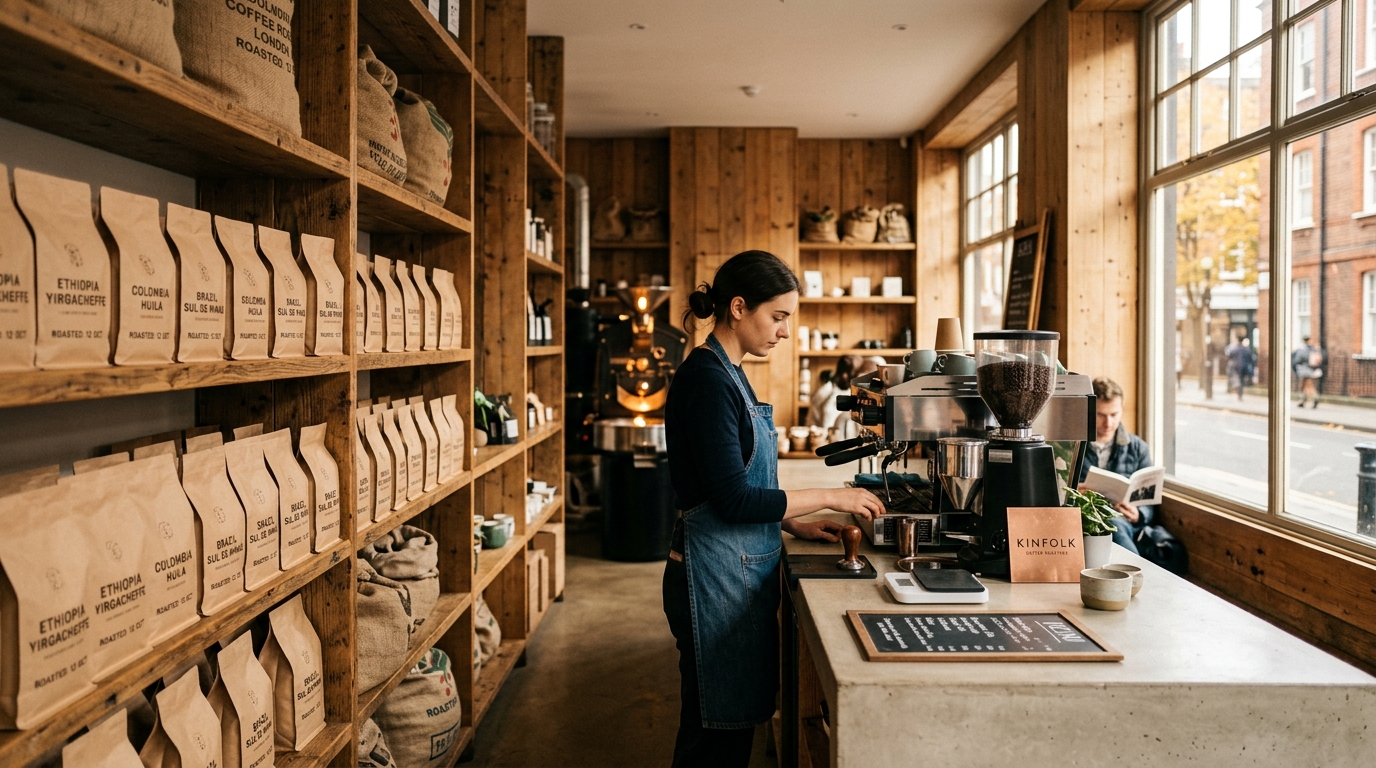
There is a specific kind of embarrassment that comes from realizing you have been doing something wrong for a long time while feeling confident you were doing it right. I had been pulling espresso shots for about four years when I walked into a specialty roaster in Portland, watched a barista dial in a single-origin Ethiopian Yirgacheffe, and understood within about fifteen minutes that I had been working with fundamentally incorrect assumptions about what coffee could taste like.
That visit did not change one habit. It changed the entire mental model I was using to evaluate every shot I pulled. If you have not made a point of spending real time at a specialty roaster, not just buying a bag but actually watching the workflow, asking questions, and tasting thoughtfully, you are missing a calibration opportunity that no YouTube video or forum thread can replicate.
The Problem With Learning Espresso in Isolation
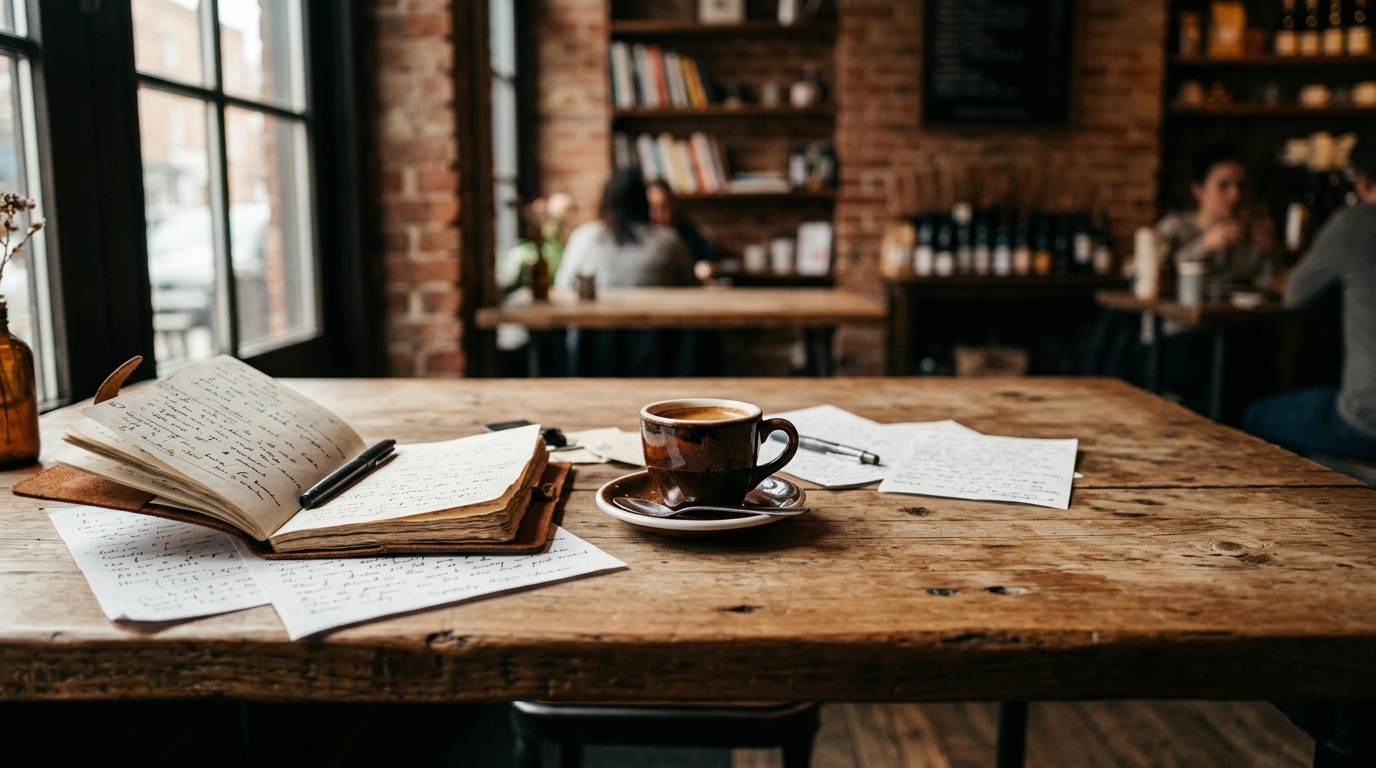
When you learn espresso at home, you calibrate your palate against your own output. You taste your shots, decide they are good or not good, adjust, and repeat. The problem is that this loop has no external reference point. You might be pulling shots that taste decent relative to yesterday's shots but are nowhere near what the coffee is actually capable of producing. Worse, you might be compensating for extraction problems with milk or sugar without realizing that the underlying shot has fundamental issues: sourness from underextraction, bitterness from channeling, flatness from stale beans ground too coarse.
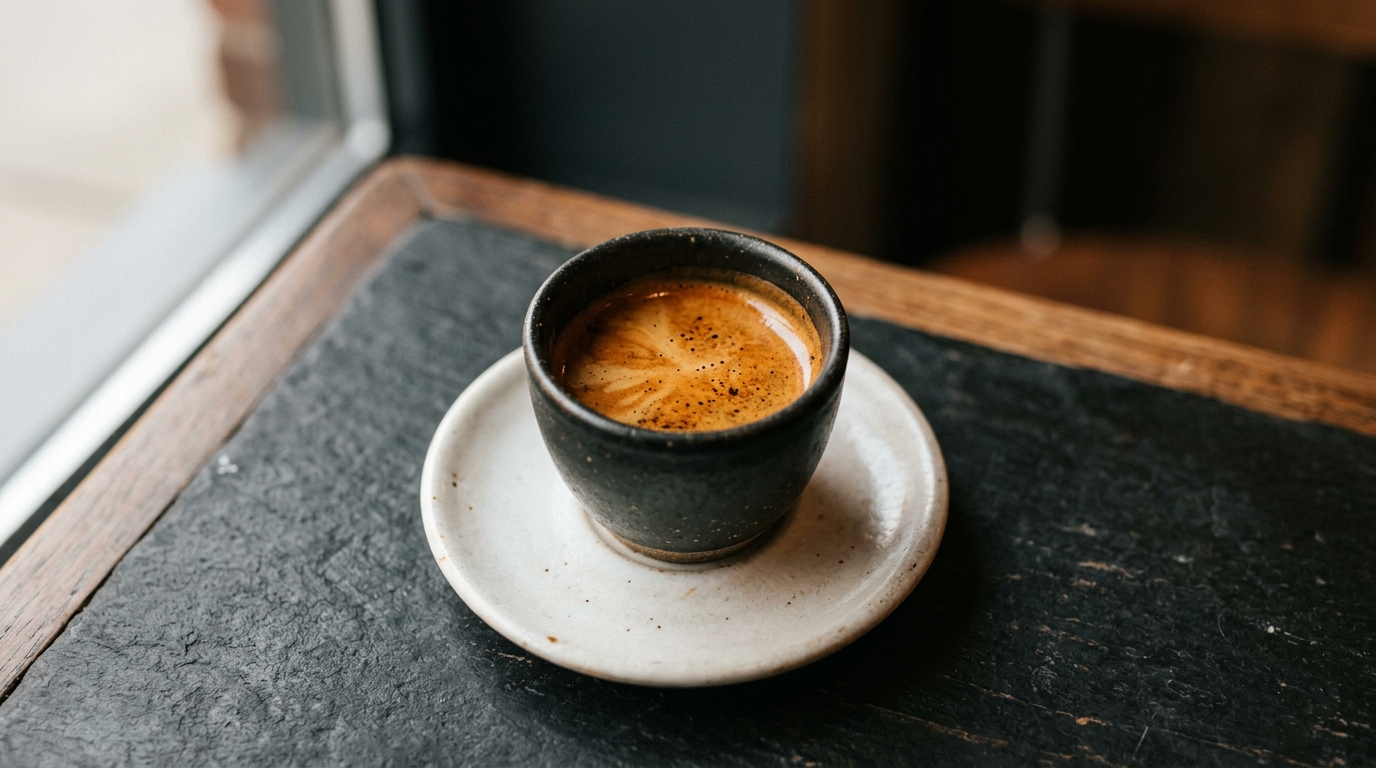
A specialty roaster breaks that closed loop. You are suddenly tasting coffee prepared by someone who has pulled thousands of shots on calibrated equipment, with beans they roasted themselves to a specific profile, at a dose and ratio they have dialed in over multiple sessions. The reference point shifts dramatically, and that shift is irreversible in the best possible way.
What You Actually Learn by Watching the Dial-In Process
Most home baristas treat dialing in as a problem to solve once and then move on. A specialty barista treats it as an ongoing, variable process that changes with every new bag, every change in ambient humidity, and every grinder temperature fluctuation during a busy service. Watching someone dial in professionally, you see that the first shot of the day is often not served to a customer. You see them adjust grind size by fractions, pull test shots into a scale, taste them without milk, and make notes. The shot that finally gets served has gone through real iteration.
The specific numbers matter here. A skilled barista might be targeting a 1:2 ratio, so 18 grams of coffee to 36 grams of beverage, in 27 to 30 seconds at 200 degrees Fahrenheit (93 degrees Celsius). But if the shot runs fast and tastes sharp, they tighten the grind. If it runs slow and tastes muddy, they open it up. They are not guessing. They are reading specific sensory signals, sour or underextracted versus bitter or overextracted, and responding with a targeted adjustment. That process, watched in real time, teaches you more about extraction logic than any written guide.
Tasting the Difference Between Roast Levels Done Well
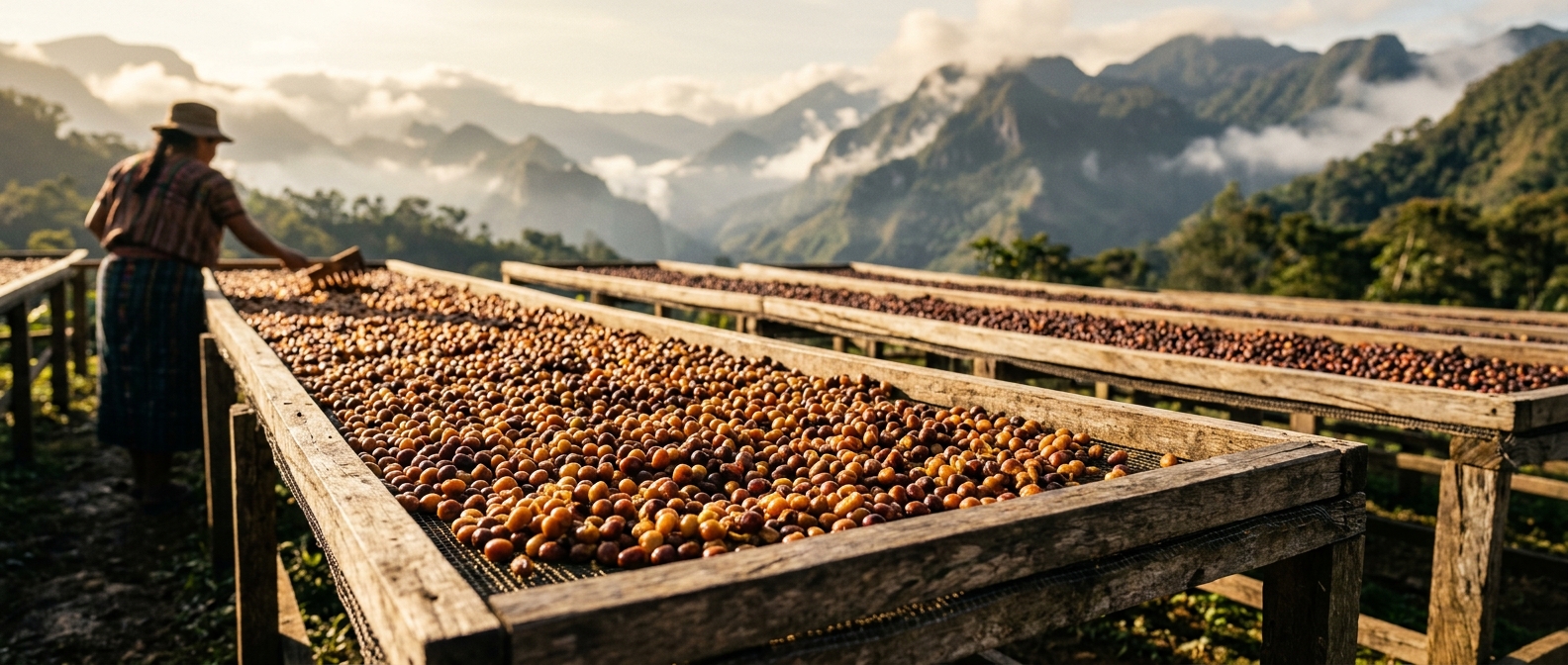
One of the most important things a good roaster can show you is what different roast levels taste like when they are executed with intention. The specialty world has largely moved toward lighter roasts for single-origin espresso, and there are good reasons for this grounded in chemistry. Lighter roasts preserve more of the coffee's origin compounds, the aromatic esters and acids that express terroir, variety, and processing method. A washed Ethiopian at a light roast might show jasmine, bergamot, and a clean citric acidity. The same bean taken to a traditional Italian medium-dark roast will largely lose those volatiles and take on the roast-derived flavors: dark chocolate, walnut, caramel.
Neither approach is wrong as a preference, but understanding the trade-off matters enormously when you are buying beans and building recipes at home. Many home espresso drinkers default to dark roasts because they are familiar and forgiving, higher extraction yields are easier to achieve, and the flavor profile masks grind inconsistency. But if you have never tasted a properly extracted light roast espresso, you do not know what you are trading away. A specialty roaster can put both in front of you and let the comparison do the explaining.
The Equipment Gap Is Real, but It Is Not the Whole Story
You will notice, walking into a serious roaster, that the equipment looks different from what most of us have at home. A La Marzocca Linea or a Synesso running at precisely controlled brew temperature is a different tool than a prosumer machine with a single boiler. The grinder, often a Mahlkonig EK43 or a Mythos, is producing a particle size distribution that a $200 grinder simply cannot match. This gap is real and worth acknowledging.
But here is what surprised me: the barista I watched that afternoon spent more time talking about water chemistry and bean freshness than equipment. The roaster was using water at a specific mineral profile, around 150 parts per million total dissolved solids with a magnesium-forward composition, because magnesium ions preferentially bind to flavor compounds during extraction in ways that calcium does not. The beans were roasted four days prior and had been resting to allow CO2 off-gassing to stabilize. These are variables a home barista can control or at least approximate, regardless of what machine sits on the counter. That realization was more useful than any equipment comparison.
Asking Questions That You Cannot Ask the Internet
A forum post or a Reddit thread will give you a range of opinions from people with a range of competencies, and you have no way to evaluate which is which. A specialty barista standing in front of you, pulling shots from a coffee they grew, sourced, or roasted themselves, is a different kind of resource. They have skin in the game. They want the coffee to taste right because their name is on the bag.
Ask them what recipe they are running. Ask them what the coffee tastes like at different ratios. Ask them what processing method was used and how that changes the soluble content in the bean. Ask them what they would do differently with lower-quality water. Most specialty baristas, in my experience, are eager to explain their reasoning because they have spent real time developing it and they find few customers who want to hear it. You will walk away with specific, contextualized information that applies directly to your setup.
The Calibration You Cannot Get Any Other Way
After that visit in Portland, I went home and pulled a shot of the same bag I had purchased there. It tasted different than before I went, not because the coffee changed, but because I had a new frame of reference for what it should taste like. I could identify the flatness in my extraction and trace it to my grind size being too coarse for my dose. I adjusted, pulled again, and got noticeably closer. The visit had given me a calibrated target to aim at, which is something a log of my own past shots could never provide.
I track my shot parameters in grindset.cafe now, and the data I log means more because I have an external reference point for what good tastes like. Numbers without sensory context are just numbers. A visit to a specialty roaster gives you the sensory context that makes the numbers mean something. If you have been pulling shots at home for any length of time without doing this, it should move to the top of your list.