How to Make Cold Brew Concentrate with Espresso Beans: Ratios, Steep Times, and What to Expect
By the Grindset team · September 20, 2026 · 7 min read
Why Espresso Beans for Cold Brew?
The term "espresso beans" is mostly a marketing label. There is no botanical distinction between an espresso bean and any other roasted coffee bean. What you typically get with espresso-labeled bags is a roast profile and blend composition that was designed to perform well under high pressure and high temperature extraction. That usually means darker roasts, lower acidity, and blends that lean on robusta or heavily developed arabica to produce body and crema. When you use these beans for cold brew, those same characteristics translate in interesting ways. The lower acidity becomes even more pronounced because cold water extraction already suppresses acid development. The heavy body and chocolate or caramel roast notes come through cleanly. If you have espresso beans sitting around and want to use them for cold brew, you will get a very solid result, and in some cases a better one than you would from a light roast single origin.
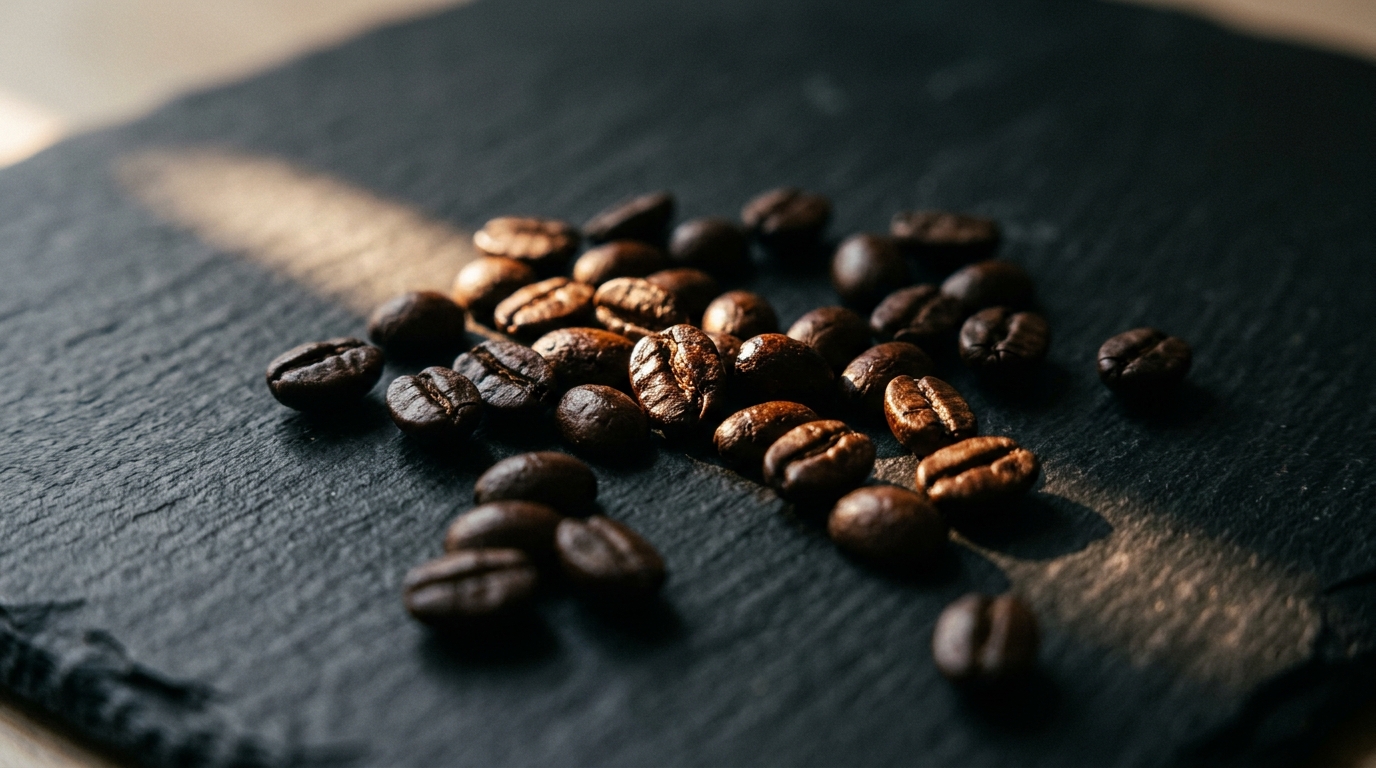
Cold brew extraction is fundamentally different from espresso. Espresso forces near-boiling water at 9 bars of pressure through a compact puck of finely ground coffee in 25 to 35 seconds, relying on heat and pressure to drive rapid solubility. Cold brew uses water at room temperature or refrigerator temperature, between 35 and 70 degrees Fahrenheit (2 to 21 degrees Celsius), and compensates for the absence of heat with an extended steep time and a coarser grind. Solubility of coffee compounds drops significantly at lower temperatures, so you extract for hours instead of seconds. This slower process is selective: it pulls out different compounds in different proportions than a hot extraction would, which is why cold brew tastes smoother and less sharp even when made from the same beans.
The Right Grind Size
For cold brew concentrate, grind coarser than you would for a French press. Think somewhere between coarse French press and the texture of raw sugar. If you grind too fine, you increase surface area dramatically, which speeds up extraction but also makes filtration a nightmare and can lead to over-extraction even in cold water over 18 to 24 hours. With espresso beans, which tend to be darker and therefore more brittle and porous, you can afford to go slightly coarser than you might with a dense light roast. The cellular structure of a darker roast has already been more aggressively broken down during roasting, so extraction happens faster.
If you are using a burr grinder, set it several steps coarser than your French press setting and do a small test batch first. A flat burr grinder will give you a more uniform particle size than a conical burr, which matters less for cold brew than for espresso but still affects clarity and extraction consistency. Blade grinders will produce an uneven mix of powder and chunks, leading to uneven extraction and a muddy final product. Avoid them if you can.
Ratios for Cold Brew Concentrate
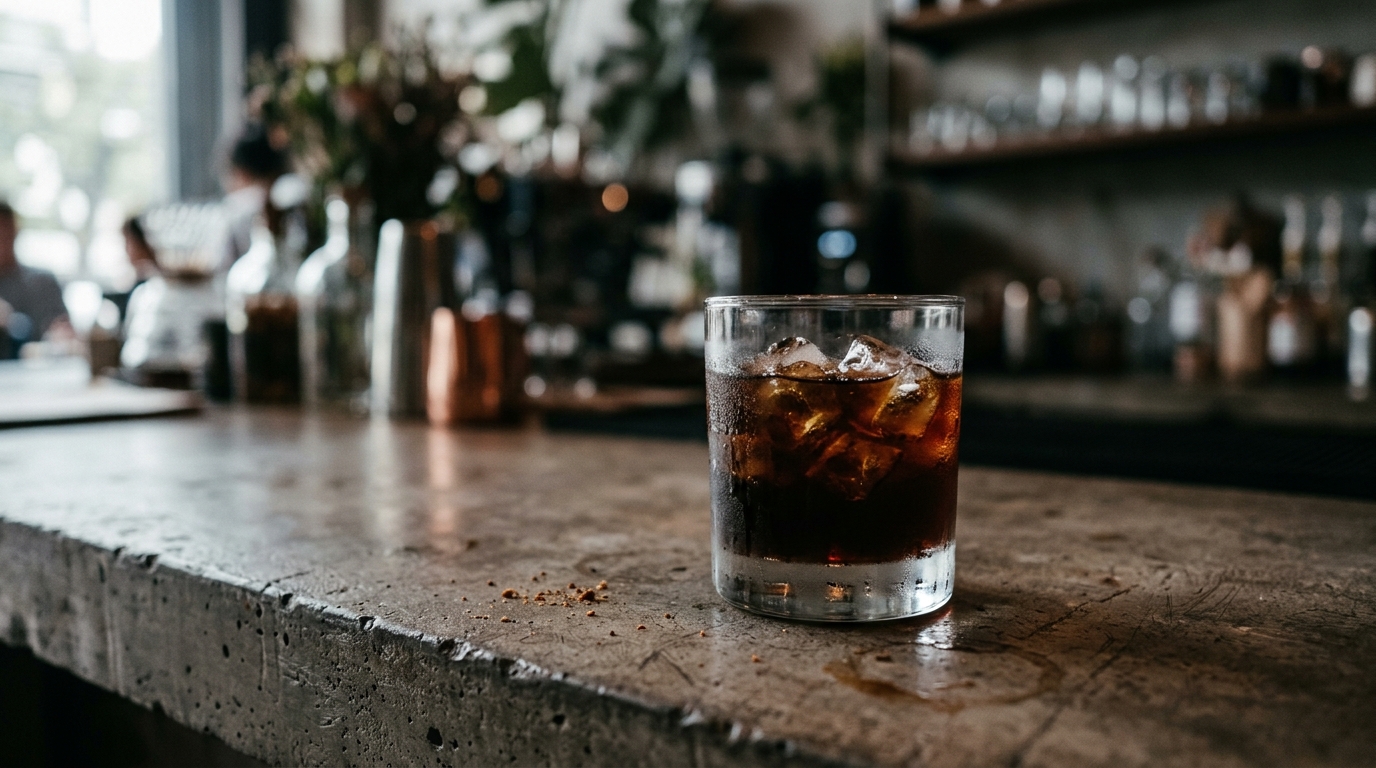
The standard cold brew concentrate ratio is 1:4 by weight, meaning 1 gram of coffee for every 4 grams of water. This is considerably stronger than a typical ready-to-drink cold brew, which is usually brewed around 1:8 or 1:10. The idea with concentrate is that you dilute it at serving time, typically 1:1 with water or milk, which brings the effective brew ratio to around 1:8. This gives you flexibility and extends shelf life since concentrate keeps well in the refrigerator for up to two weeks.
A practical starting point for a home batch: use 100 grams of coarsely ground espresso beans with 400 grams of cold or room-temperature filtered water. This produces roughly 350 to 380 milliliters of strained concentrate after accounting for absorption, which is enough for about four to six drinks depending on how you serve them. If you want a larger batch, scale proportionally. The math is simple and worth doing precisely rather than eyeballing scoops and cups.
- Regular strength concentrate: 1:4 (coffee to water by weight)
- Stronger concentrate for smaller dilution: 1:3
- Ready-to-drink cold brew, no dilution needed: 1:8
With espresso beans, the 1:4 ratio tends to produce a very rich, syrupy result because of the body and lower acidity already present in the roast. Some people find they prefer a 1:5 ratio with darker espresso blends to avoid an overly heavy, almost tar-like texture. Start with 1:4 and adjust from there based on your preference.
Steep Time and Temperature
Steep time and temperature are two variables you can control, and they interact directly. Warmer water extracts faster. Room temperature brewing at around 68 to 70 degrees Fahrenheit (20 to 21 degrees Celsius) typically needs 12 to 16 hours. Refrigerator brewing at 38 to 40 degrees Fahrenheit (3 to 4 degrees Celsius) usually needs 18 to 24 hours. Some recipes push to 36 hours in the fridge, but with espresso beans this often overshoots into bitter, harsh territory because the darker roast already carries more roast-derived bitterness compounds like degraded chlorogenic acids.
The safest approach for espresso beans is a room temperature steep of 14 to 16 hours, then immediate refrigeration and filtration. Room temperature extraction is faster and more active, but you want to stop it before it tips into bitterness. Over-extraction in cold brew does not present the same sharp, instant bitterness you get from a burned espresso shot. It builds slowly and shows up as a dull, ashy aftertaste that coats the back of the palate. If your concentrate tastes flat and hollow rather than rich and chocolatey, that is a sign you have gone too long or ground too fine.
Filtration
Filtration matters more than most people account for. The simplest method is a fine mesh strainer lined with a paper filter or a clean cotton cloth. Pour the concentrate through slowly and let gravity do the work rather than pressing or squeezing. Pressing the grounds forces fine particles and oils through the filter that will make your concentrate murky and add a gritty texture. Paper filters remove more oils, producing a cleaner, brighter cup. Metal filters leave more oils in, producing a heavier, more opaque result. With espresso beans specifically, the heavier oil content from darker roasts means a paper filter often produces a noticeably cleaner flavor.
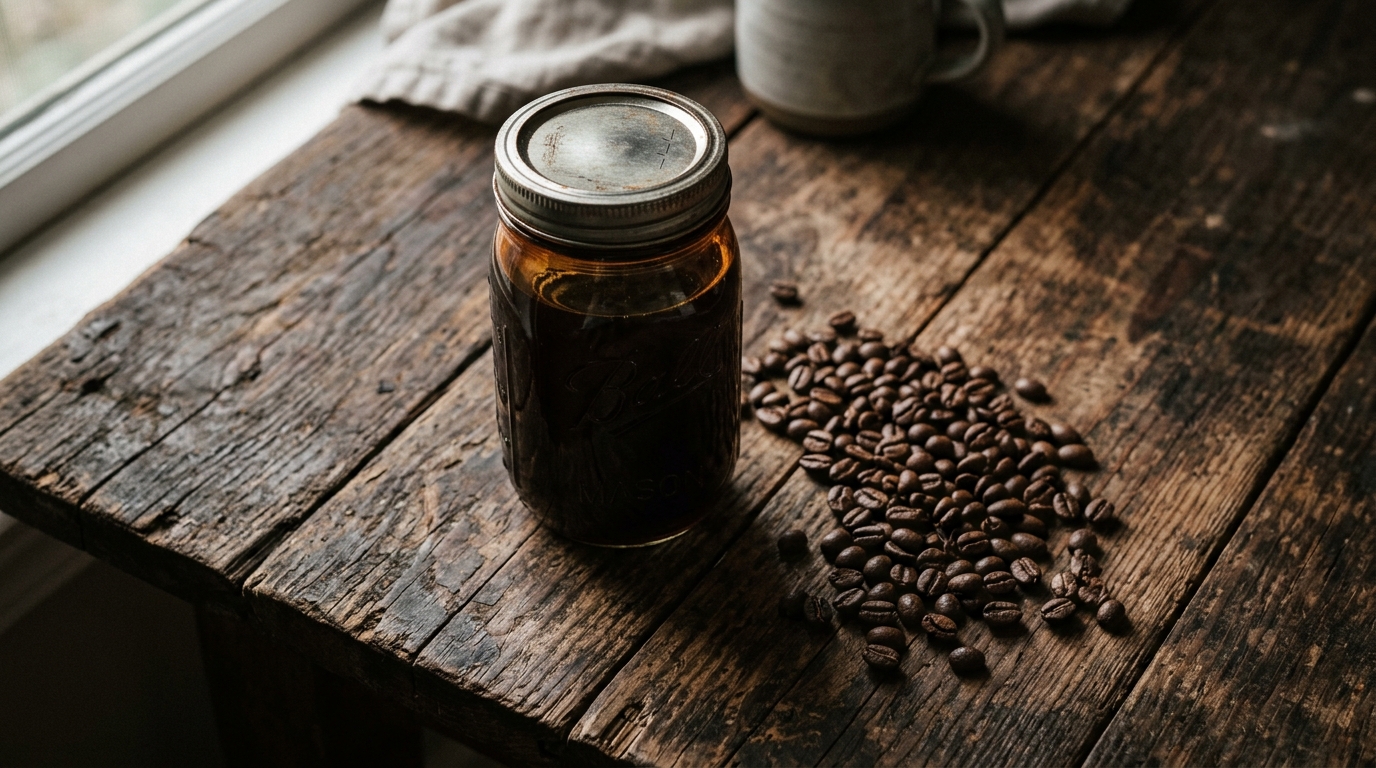
Allow 20 to 30 minutes for full passive filtration. Transfer the strained concentrate to a clean glass jar, seal it, and refrigerate immediately. Label it with the date. At 1:4 concentration, it will keep for up to 14 days without significant flavor degradation.
What to Expect in the Cup
Cold brew made from espresso beans will taste noticeably different from hot espresso or even hot drip coffee made from the same beans. The bitterness is softer, the acidity is suppressed, and the roast characteristics like chocolate, caramel, and nuttiness become the dominant flavors. You will not get the bright fruit notes that a light roast would offer, but if your espresso blend was developed for sweetness and body, those qualities carry over well into cold brew. It is a natural application for beans built around those flavor targets.
When diluted 1:1 with milk, a concentrate made from a classic Italian-style espresso blend becomes something close to a cold latte without any additional sweetener needed. The natural sweetness from the extended extraction and the suppressed acidity does a lot of the work on its own. If you want to track your ratios, steep times, and flavor notes across batches, grindset.cafe has a straightforward logging system built for exactly this kind of iterative brewing. Keeping records is the fastest way to dial in a recipe that works consistently for your specific beans and your specific water.
Cold brew from espresso beans is not a compromise or a workaround. It is a legitimate and often excellent application for a style of coffee that was already engineered for intensity, body, and sweetness. Treat the variables with the same care you would any other extraction method, and the results will reflect it.