How Coffee Subscriptions Help Home Baristas Dial In Freshness, Variety, and Consistency on a Budget
By the Grindset team · October 11, 2026 · 6 min read
The Freshness Problem Most Home Baristas Don't Realize They Have
If you're buying coffee from a grocery store shelf, you're almost certainly brewing with stale beans, even if the bag looks fine. Roasted coffee begins off-gassing CO2 within minutes of leaving the roaster, and while that degassing period is actually important for espresso (most roasters recommend a 7 to 14 day rest before pulling shots with fresh-roasted beans), the window of peak flavor compounds is finite. Most grocery store bags were roasted weeks or months before they hit the shelf, and the "best by" date printed on the bag reflects shelf stability, not peak flavor. The volatile aromatic compounds responsible for brightness, sweetness, and complexity start breaking down well before a bag becomes obviously stale.
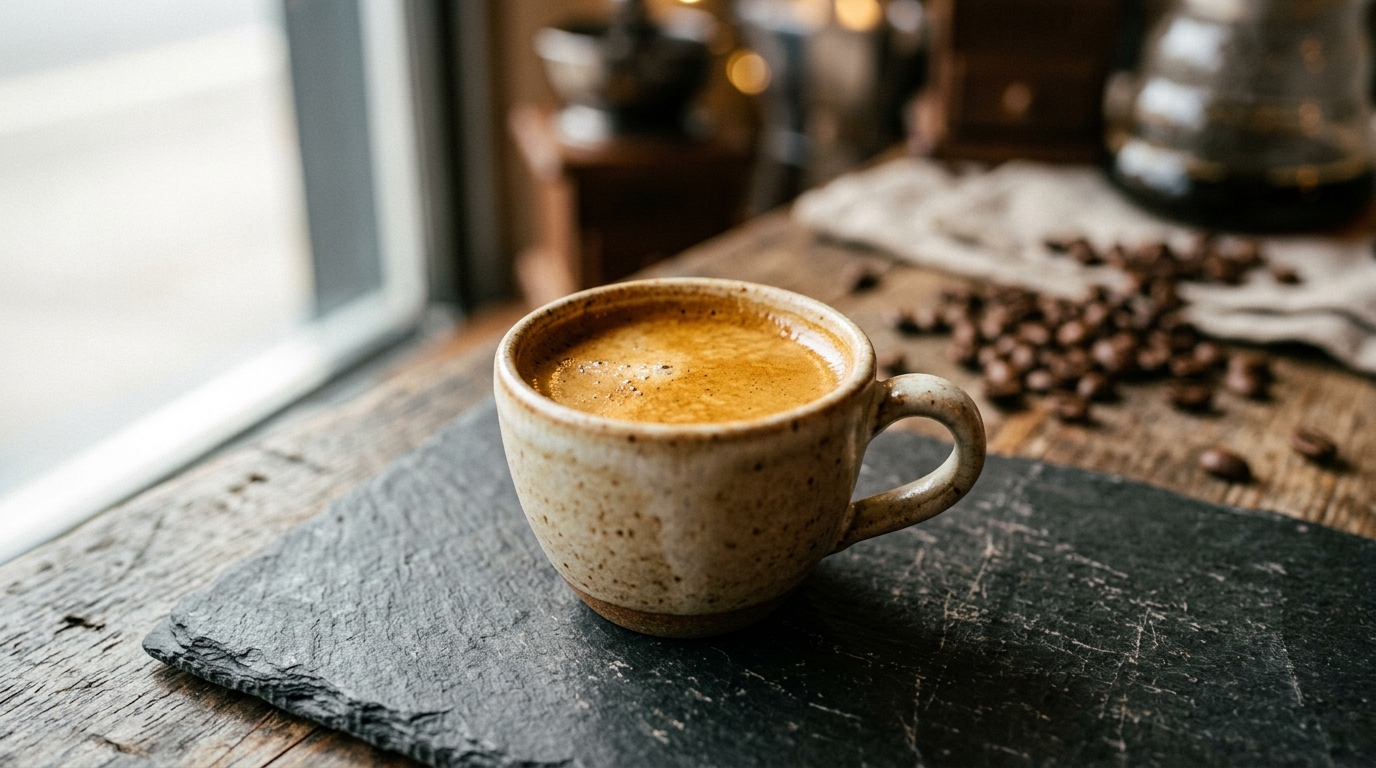
A coffee subscription solves this problem at the structural level. Roasters who operate subscription programs typically roast to order, shipping within 24 to 72 hours of the roast date. When you're pulling espresso at home, receiving beans roasted 3 to 5 days ago and resting them for another week before grinding puts you squarely in the extraction sweet spot. This is the kind of timing that specialty cafes obsess over, and it's now accessible to anyone willing to set up a recurring order.
Why Freshness Matters More for Espresso Than Drip
Espresso is a high-pressure, highly concentrated extraction method, which means it amplifies both the best and worst qualities of your coffee. Brewing at 9 bars of pressure through a 20-gram puck in 27 to 32 seconds leaves very little room for a mediocre ingredient to hide. Stale coffee tends to produce flat, papery shots with muted acidity and a hollow aftertaste, because many of the volatile compounds that create complexity have already oxidized or evaporated. Fresh coffee, by contrast, retains enough of its aromatic esters and organic acids to produce espresso with actual nuance.
There's also a practical dialing-in consideration. The CO2 content of freshly roasted coffee affects how water permeates the puck during extraction. Very fresh coffee (under 5 days off roast) produces excessive degassing during the shot, which can create uneven channeling and inconsistent flow rates. Slightly rested coffee, say 10 to 21 days off roast depending on the roast level and density of the bean, behaves more predictably under pressure. A subscription that arrives on a regular schedule lets you plan around this rest period rather than working with whatever is sitting on a store shelf.
Variety Is a Feature, Not a Distraction
Many home baristas make the mistake of treating variety as an enemy of consistency. The thinking goes: if I keep changing coffees, I'll never dial in my grinder. This is backwards. Dialing in is a skill that transfers across coffees, and the only way to build it is to repeat the process with different variables. If you pull shots from the same bag for three months, you're not building a transferable skill, you're memorizing one specific recipe. When that bag runs out, you'll be back at square one.
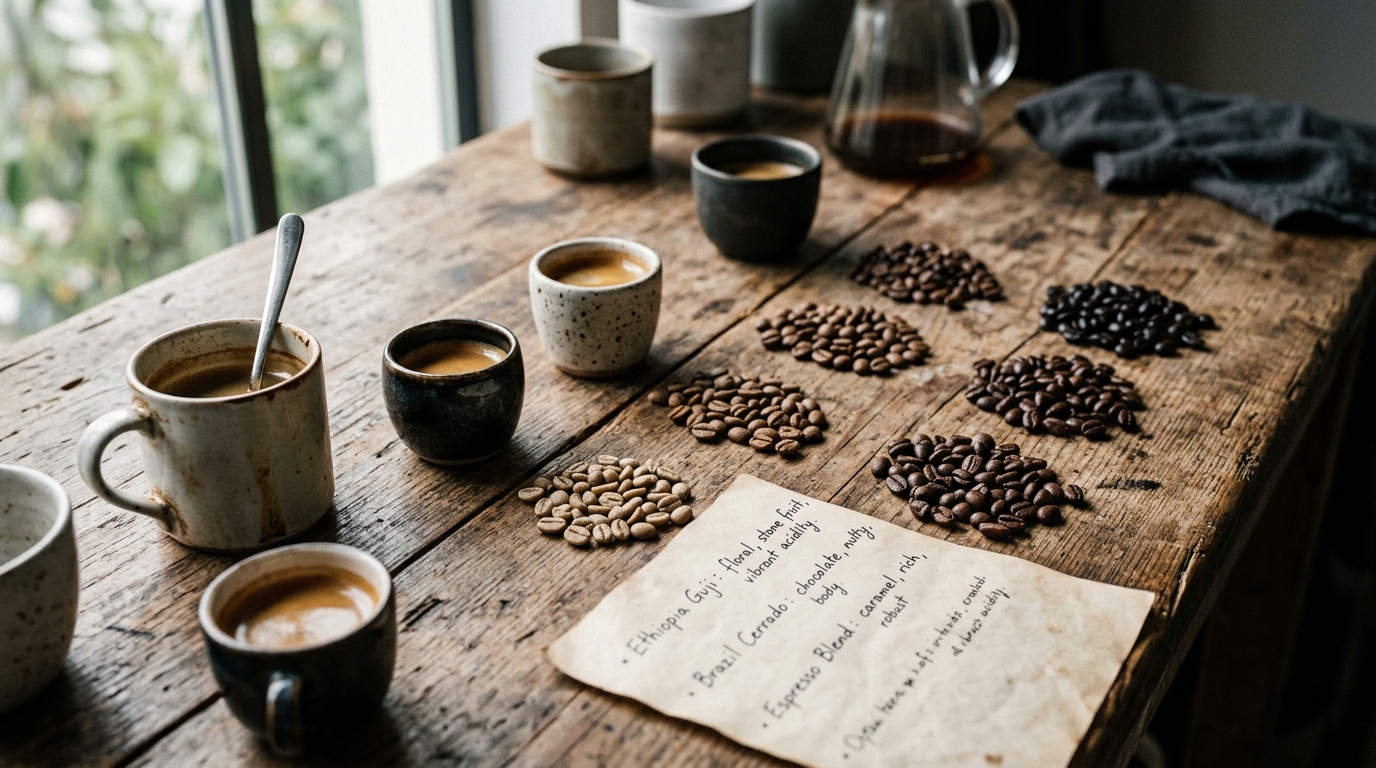
Working through a rotating subscription teaches you to read the shot rather than follow a fixed recipe. A washed Ethiopian Yirgacheffe processed at high altitude and a natural Brazilian from lower elevation have different densities, different cell structures, and different solubility profiles. The Ethiopian might want a finer grind and a longer pre-infusion to tame its brightness; the Brazilian might extract well at a coarser setting with a shorter shot time to keep its heavier body from turning muddy. Learning to adjust for these differences is exactly what separates a capable home barista from someone who can only reproduce one recipe.
Most subscription services let you specify roast level and processing method, so you're not getting completely random deliveries. You can choose to stay within a style, like medium-light washed coffees, while still rotating origins and farms. That balance gives you enough variety to build skill without chaos.
Budget Efficiency That's Easy to Overlook
Specialty coffee subscriptions often get dismissed as a premium expense, but the math usually works in favor of the home barista. A 250-gram bag of high-quality single-origin espresso from a subscription roaster typically costs between $16 and $22, depending on the origin. At a 1:2 brew ratio using 18-gram doses, that's roughly 13 to 14 shots per bag, putting the per-shot cost somewhere between $1.20 and $1.70. Compare that to your local specialty cafe charging $5 to $6 for a double, and you're saving $3 to $4 per shot.
The budget advantage compounds quickly if you're pulling two shots a day. Even at $1.70 per shot, that's about $3.40 daily versus $10 to $12 at a cafe. A subscription that costs $60 per month in coffee would cost $300 or more to replicate at cafe prices. And because subscription roasters buy in volume and build relationships with farms, the per-bag price often buys you access to coffees with more transparent sourcing and higher cup scores than what's available locally at any price point.
There are also subscription tiers worth knowing about. Some services offer flexible frequencies, like every 2 weeks or monthly, which lets you avoid the waste of beans going stale before you finish a bag. Getting the frequency right matters, because a 250-gram bag should ideally be consumed within 4 to 6 weeks of the roast date for peak espresso quality. If you're pulling two shots daily, a 250-gram bag every two weeks is a reasonable starting point.
Consistency Comes From the Routine, Not the Recipe
One thing subscriptions quietly provide that doesn't get discussed enough is accountability to a routine. When a bag of freshly roasted coffee shows up every two weeks, you dial in the grinder, you pull shots, you taste, you adjust. The delivery creates a natural rhythm that keeps you engaged with your equipment and your technique. Home espresso machines are precise instruments that reward regular use and attention. Letting weeks go by between sessions because you ran out of coffee and forgot to reorder breaks the feedback loop that builds skill.
Logging your extractions alongside your coffee rotation amplifies this benefit significantly. Tracking roast date, grind size, dose, yield, and time for each new bag gives you reference data you can return to. At grindset.cafe, tracking this information is built into the workflow so it doesn't feel like extra homework. Over time, your logs start showing patterns: which origins you tend to grind finer, which roast levels you prefer at lower temperatures, where your palate lands on the acidity spectrum. That accumulated data is more valuable than any single bag of exceptional coffee.
Choosing the Right Subscription
Not all subscriptions are equal. Look for roasters who print the roast date clearly on the bag, not just a best-by date. Prioritize roasters who ship within 48 hours of roasting. Look for transparency about sourcing, specifically farm or cooperative name, processing method, and altitude, because those variables predict a lot about how the coffee will behave in your portafilter. Avoid services that prioritize volume and low cost over roast freshness, since the whole point of the subscription model is the timing advantage it provides.
A good subscription won't replace dialing in skill or quality equipment, but it removes one of the most common and least acknowledged obstacles to great espresso at home: starting every session with beans that were never given a fair chance.