How to Make a Perfect Shakerato (And Why It's Italy's Ideal Summer Coffee)
By the Grindset team · July 26, 2026 · 6 min read
What Is a Shakerato?
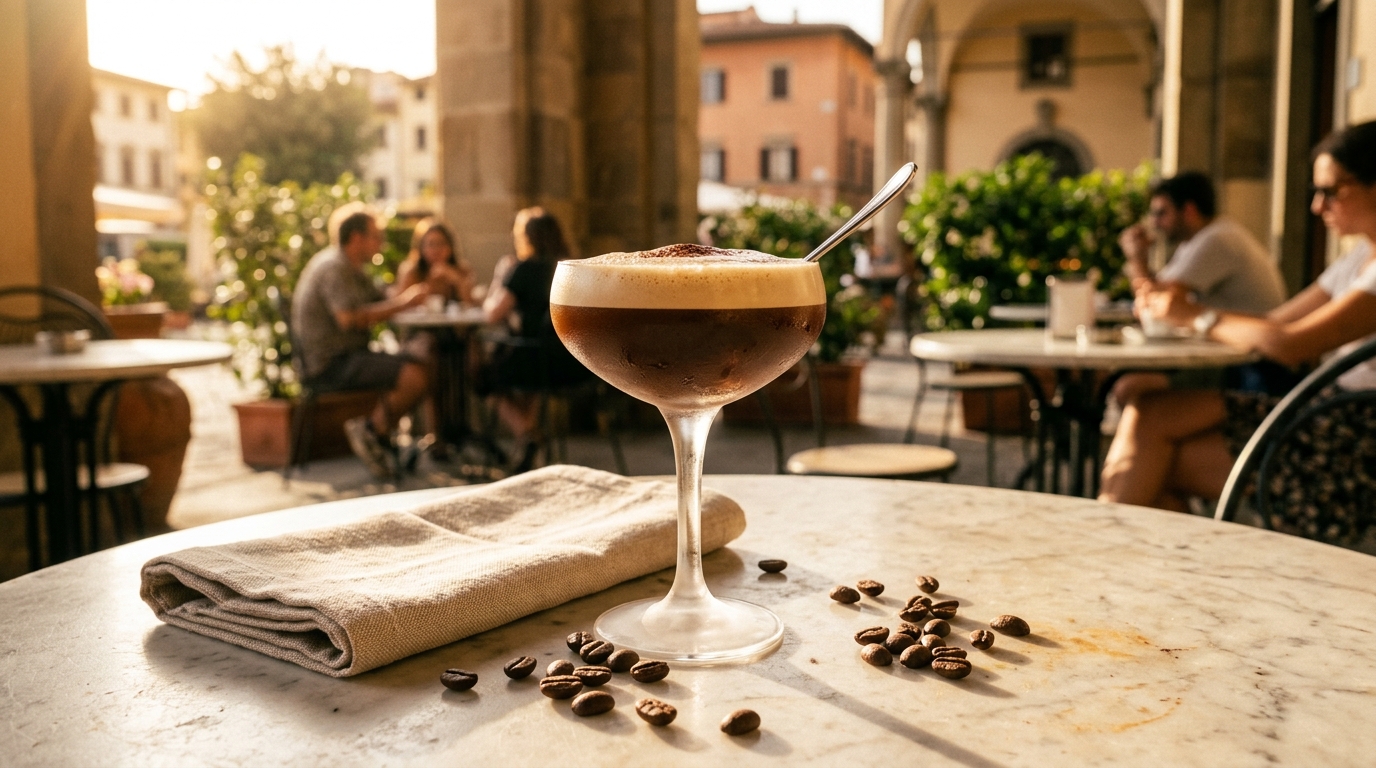
The shakerato is one of those drinks that sounds fancier than it is, which is part of its appeal. At its core, it is nothing more than a freshly pulled shot of espresso and a small amount of sugar shaken vigorously over ice, then strained into a chilled glass. That's the whole recipe. Yet the result is something genuinely unlike any other coffee preparation: a silky, frothy, intensely flavored drink that is both cold and aerated, with a texture that sits somewhere between a cold brew and a cocktail. Italians have been ordering these at bars since at least the mid-20th century, and they remain one of the most popular summer coffee orders from Milan to Palermo.
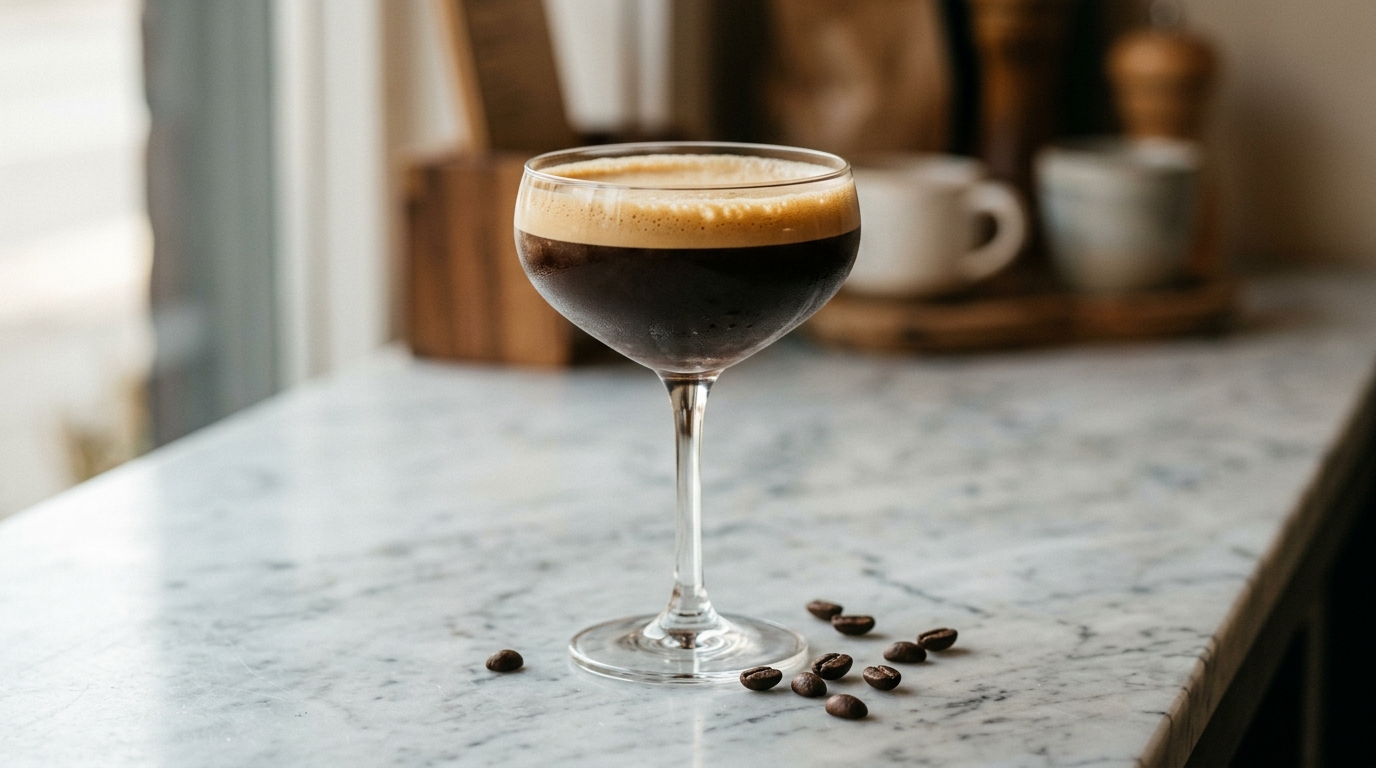
What makes the shakerato more than just "espresso poured over ice" is the shaking step, which is doing significant physical work. When you shake espresso hard over ice, you are doing three things simultaneously: chilling the shot rapidly, diluting it slightly as the ice melts, and incorporating air into the crema proteins and lipids to create a stable foam. The result sits in your glass with a dense, meringue-like head that holds for several minutes. No milk, no added water, no fuss.
The Right Espresso for the Job
Because the shakerato contains so few ingredients, the quality of your espresso is not something you can hide behind. A flat, over-extracted, or poorly dialed-in shot will produce a bitter, unpleasant drink no matter how vigorously you shake it. You want a shot that is balanced and slightly sweet on its own, ideally pulled at a ratio somewhere between 1:2 and 1:2.5. A 18g dose yielding 36 to 42g of liquid in 27 to 32 seconds at 200°F (93°C) is a reasonable target for most medium or medium-dark roasts.
Lighter roasts can work beautifully in a shakerato because their higher acidity and fruit-forward flavor compounds hold up well when chilled. Cold temperatures suppress sweetness perception more than they suppress acidity, so a shot that tastes balanced at room temperature may taste sharper when cold. If you are working with a light roast, consider pulling it slightly longer or at a marginally higher temperature, around 202°F (94°C), to coax more sweetness from the extraction before it hits the ice.
One thing to avoid: do not use stale espresso. The crema on a fresh shot contains dissolved CO2 and emulsified oils that contribute directly to the foam you get from shaking. A shot that has been sitting for more than 30 seconds before it hits the shaker will have already off-gassed a significant portion of that CO2, and your resulting foam will be thin and short-lived.
How to Make It: The Technique
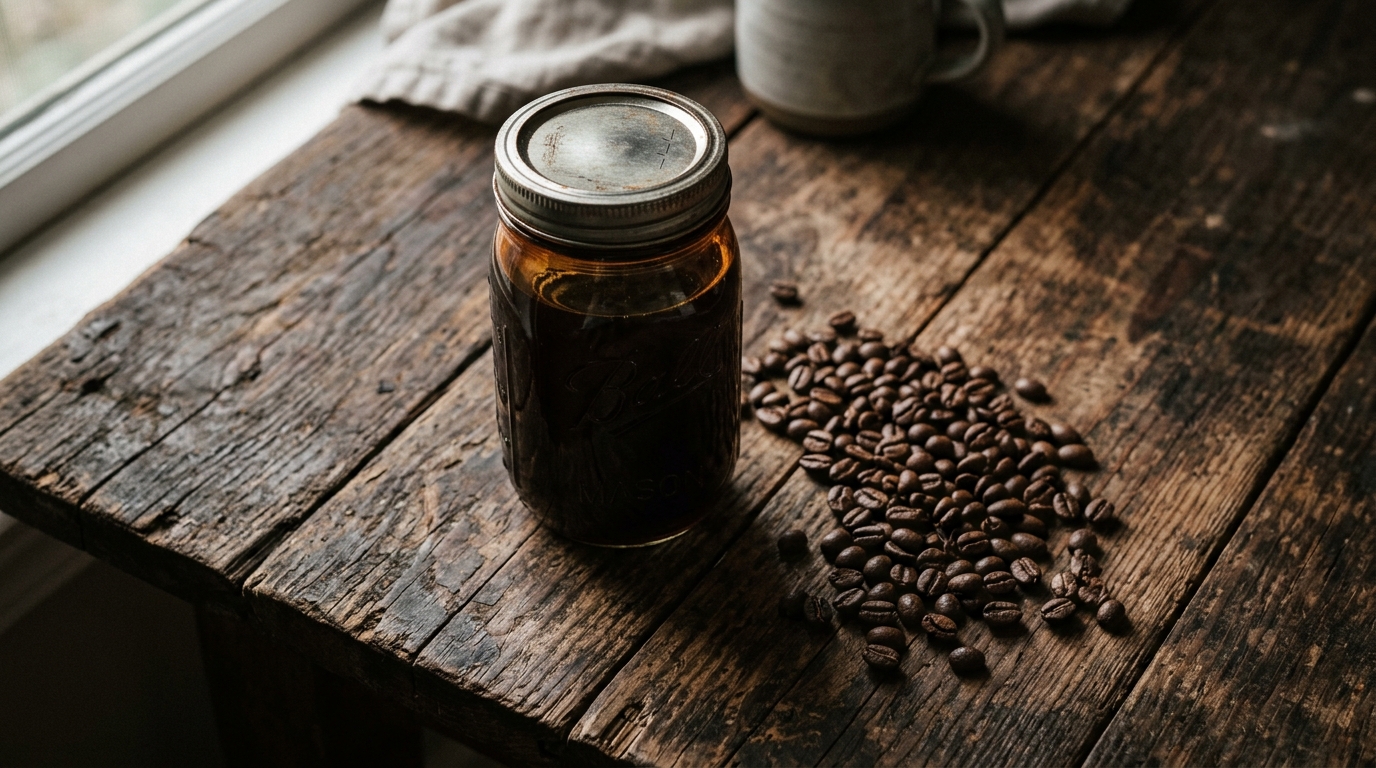
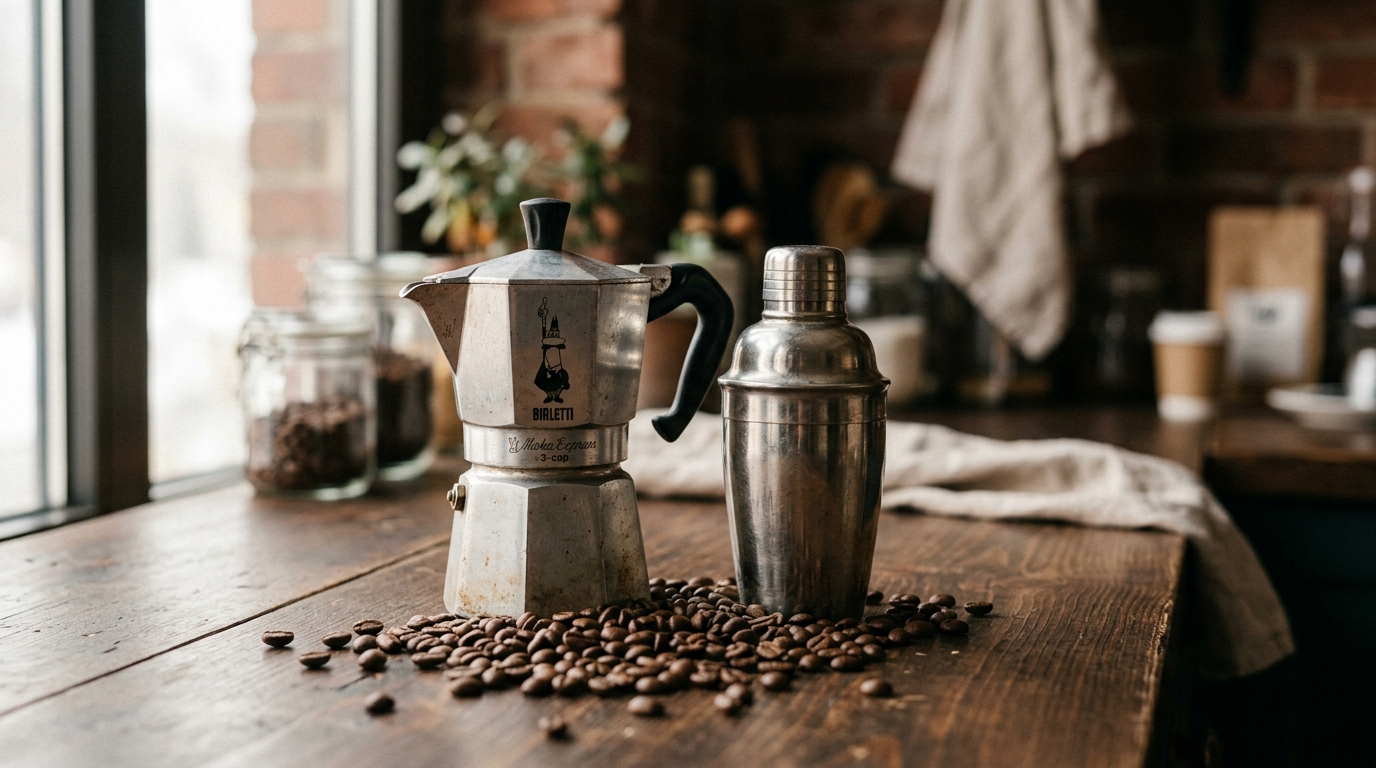
You do not need specialized equipment. A standard cocktail shaker works perfectly, and if you do not own one, a mason jar with a tight-fitting lid will do the job in a pinch. Here is the process from start to finish:
- Pull your espresso shot directly into the shaker tin. A standard double shot (roughly 36 to 42g) is the right volume.
- Add sugar immediately while the shot is still hot, so it dissolves completely. Classic Italian style uses 1 to 2 teaspoons of white sugar, though some bars use a small pour of simple syrup for consistency.
- Add 4 to 6 large ice cubes. Larger cubes melt more slowly, which gives you control over dilution. You want to chill the shot, not water it down.
- Seal the shaker and shake hard for 10 to 15 seconds. This is not a gentle swirl. You are trying to incorporate air and drop the temperature rapidly. Shake until the outside of the tin is painfully cold to the touch.
- Strain immediately through a fine-mesh strainer into a chilled coupe or martini glass. Do not pour the ice in with the drink.
The "strain and serve without ice" detail is important. The shakerato is meant to be drunk quickly, while the foam is still intact and the temperature is at its coldest, roughly 40 to 45°F (4 to 7°C) right after straining. Leaving ice in the glass continues dilution and flattens the drink within a few minutes.
Sugar: Required or Optional?
In Italy, sugar in the shakerato is essentially standard, and I think skipping it entirely is usually a mistake, even if you normally drink your espresso black. The reason is physical, not just about sweetness. Sugar molecules are hydrophilic and help stabilize the foam by increasing the viscosity of the liquid phase surrounding the air bubbles. A shakerato made without any sugar will produce foam that collapses noticeably faster than one made with even a small amount. If you prefer less sweetness, use half a teaspoon rather than a full one. You will still get the structural benefit without the drink becoming dessert-like.
Some variations use honey or agave instead of white sugar. Both work, though honey in particular adds a distinct flavor that competes with the espresso rather than supporting it. Stick with a neutral sweetener unless you are specifically after that flavor combination.
Variations Worth Knowing
The classic shakerato is unsweetened or lightly sweetened espresso and ice, full stop. But there are a few common variations you will encounter in Italian bars that are worth understanding:
- Shakerato al latte: a small amount of cold whole milk is added before shaking, producing a slightly creamier texture. This is closer to a cold latte than a true shakerato.
- Shakerato con panna: finished with a small dollop of whipped cream after straining. Richer, more indulgent, and extremely popular in southern Italy during summer.
- Shakerato amaro: a splash of amaro or coffee liqueur added to the shaker. This moves the drink firmly into cocktail territory and is typically an after-dinner option rather than a midday coffee.
When to Drink It
The shakerato occupies a very specific slot in Italian coffee culture: it is the hot-weather substitute for a standing espresso at the bar. Italians drink it between roughly 10 a.m. and 2 p.m., usually as a mid-morning pick-me-up or an after-lunch digestivo. It is rarely consumed at breakfast, where a cappuccino or macchiato is traditional, and it is not typically an evening drink unless alcohol is involved.
From a practical standpoint, it is also the best solution to a problem every espresso drinker faces in summer: the gap between wanting strong, concentrated coffee and not wanting to drink something hot when it is 95°F (35°C) outside. Cold brew and iced lattes fill that gap in American coffee culture, but they sacrifice espresso's intensity and texture in the process. The shakerato does not compromise on either. You get the full extraction character of a proper double shot, the chill of an iced drink, and a foam layer that no cold brew can replicate.
If you want to track your shot parameters across shakerato attempts and dial in your recipe over time, grindset.cafe gives you a straightforward way to log dose, yield, time, and tasting notes so you can iterate without relying on memory.
One Final Note on Glassware
Serve the shakerato in a chilled coupe glass if you have one. The wide, shallow bowl shows off the foam and allows you to smell the espresso aromatics as you drink. Pre-chill the glass in your freezer for at least 10 minutes before serving. A warm glass will kill the foam and raise the temperature of the drink before it reaches the person drinking it. This is a small detail, but in a drink this simple, small details are the only details there are.