What to Look for When Evaluating a Coffee Roaster Before You Commit to a Subscription
By the Grindset team · August 9, 2026 · 7 min read
The Problem with Committing Blind
Subscribing to a coffee roaster is a meaningful commitment. You're trusting someone else to make sourcing decisions, roast decisions, and shipping decisions that will directly affect your espresso every single morning. A bad subscription doesn't just cost you money. It costs you weeks of mediocre shots, frustration with dialing in, and the slow erosion of your enthusiasm for the whole process. Before you hand over your credit card, it's worth spending some time actually evaluating whether a roaster deserves your ongoing business.
The good news is that roasters reveal a lot about themselves before you ever taste their coffee. How they describe their sourcing, how they talk about roast profiles, how they handle customer questions, and what their bags look like when they arrive, all of these things are diagnostic. You just need to know what you're looking for.
Start with the Roast Date, Not the "Best By" Date
This is the single most important piece of information on a bag of coffee, and some roasters bury it or omit it entirely. That omission is itself a red flag. Freshly roasted espresso needs time to degas, typically 7 to 14 days off-roast, because CO2 escaping from the grounds during extraction creates channeling and uneven pressure distribution that makes dialing in nearly impossible. But it also has a ceiling: most espresso peaks somewhere between 10 and 30 days off-roast depending on the coffee and the roast level, and starts declining noticeably after 45 days.
A roaster that prints only a "best by" date set 6 or 12 months in the future is obscuring freshness behind an ambiguous number. A roaster that prints the actual roast date is being transparent. When evaluating a subscription candidate, check their FAQ, their sample bag, or ask them directly: will every shipment include the roast date? If they hesitate or give you a vague answer, that tells you something.
Read the Sourcing Information Critically
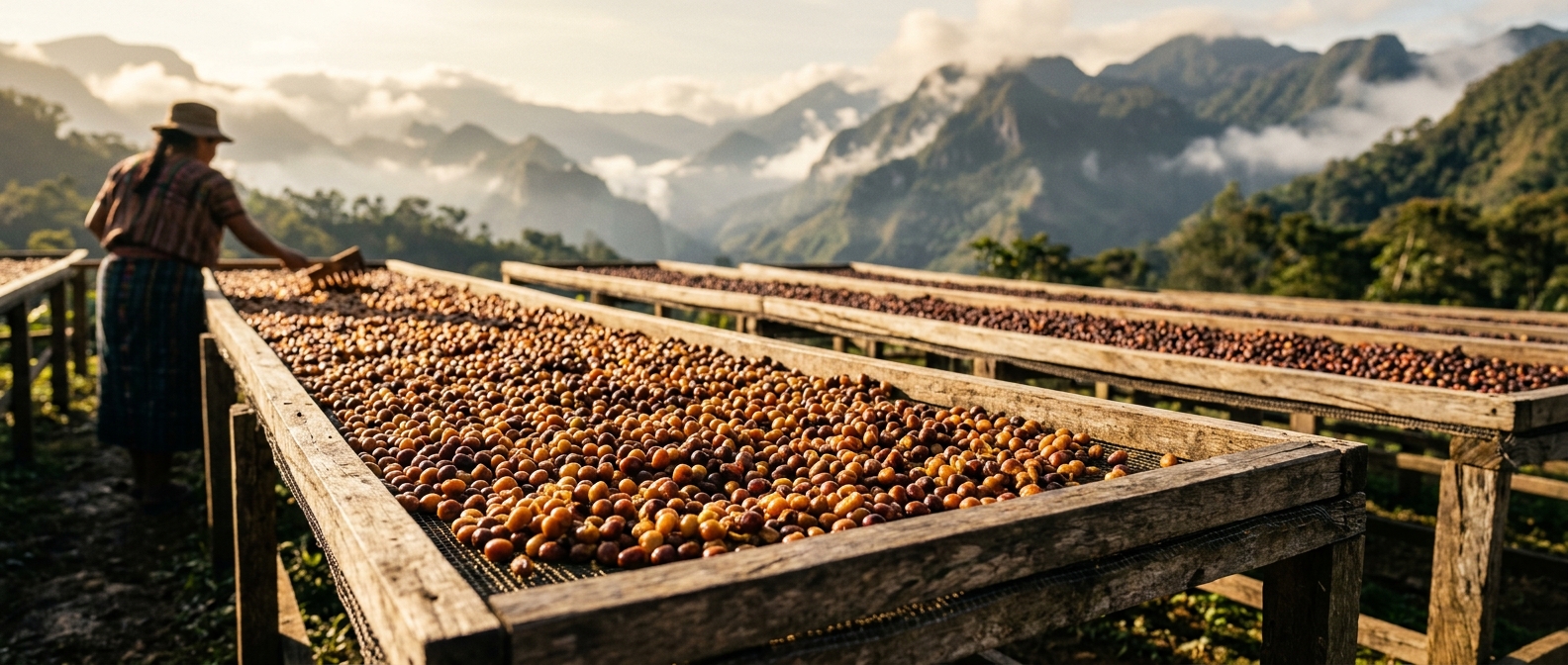
There's a wide spectrum between "single origin Ethiopian" and actually useful sourcing information. The first tells you almost nothing about what the coffee will taste like or how it was processed. What you want to see is specific information: the region or washing station, the processing method (washed, natural, honey), the approximate altitude in meters above sea level, and ideally the variety or cultivar. These aren't just marketing details. They're the variables that determine flavor potential.
Altitude matters because arabica grown above 1,500 meters develops more slowly, producing denser beans with higher sugar and organic acid concentrations. Processing method matters because a natural-processed coffee retains its fruit mucilage during drying, which drives fermentation and creates the stone fruit and berry characteristics that make naturals so divisive and so interesting. A roaster who lists these details understands that their customers care about the full picture, not just a country of origin checkmark.
Be skeptical of roasters who use superlatives without specifics. "Exceptional quality beans sourced from the best farms" is not sourcing information. It's marketing copy. You're looking for roasters who name names and give you enough context to understand why a particular coffee is interesting.
Understand Their Roast Philosophy
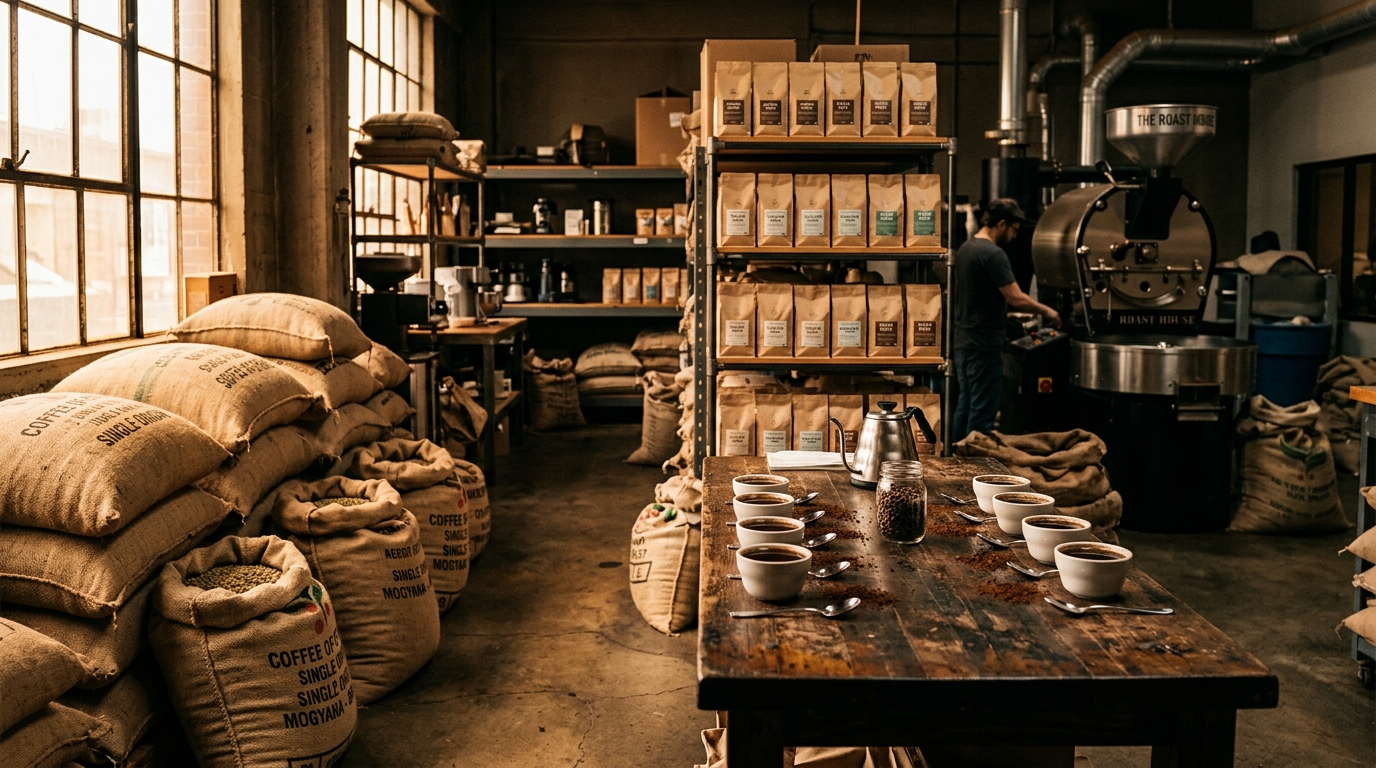
Roast level is one of the most polarizing topics in specialty espresso, and the right answer genuinely depends on your equipment, your palate, and your workflow. That said, you should know what a roaster prioritizes before committing to them. Some roasters lean toward lighter roasts in the 420 to 430 degree Fahrenheit drop temperature range, chasing origin clarity and acidity. Others prefer medium roasts that balance body and brightness. A small number of specialty roasters still work with darker profiles for customers who want lower acidity and more developed sweetness.
The problem isn't any particular roast level. The problem is a roaster who can't or won't tell you where they sit on that spectrum. Look for roasters who publish their cupping notes with enough precision to indicate roast character. Notes like "dark chocolate, walnut, low acidity" suggest a fuller roast. Notes like "white peach, jasmine, malic acidity" suggest a lighter roast. Both are valid, but they require very different extraction parameters. A light roast espresso often needs brew temperatures between 200 and 203 degrees Fahrenheit and finer grind settings to develop sweetness, while darker roasts can turn harsh above 197 to 199 degrees Fahrenheit.
Evaluate Their Communication and Education
A roaster who cares about your experience doesn't just ship you coffee and disappear. They provide enough context for you to actually succeed with the coffee they've sent. Look for roasters who include suggested extraction parameters with their bags: a starting dose, a target yield, a recommended brew temperature, and an estimated extraction time. Even if you don't follow their parameters exactly, the fact that they offer them tells you they've pulled shots of this coffee and thought carefully about how it behaves.
Check their website and social media for evidence of ongoing education. Do they explain why a particular processing method affects extraction behavior? Do they talk about shot-to-shot consistency and how to troubleshoot it? Do they respond to customer questions publicly and in detail? A roaster who treats customer education as part of their product is more likely to send you coffee that you can actually dial in, rather than coffee you have to figure out entirely on your own.
Order a Sample Before You Subscribe
This should be obvious, but it's worth stating plainly: never subscribe to a roaster without tasting their coffee first. Most quality roasters offer either single-bag purchases or sampler options precisely because they're confident in their product. A roaster who structures their pricing or product lineup to make single purchases inconvenient or expensive is, at minimum, not making it easy for you to evaluate them fairly.
When your sample arrives, pull it across a range of parameters. Start with a 1:2 ratio at 18 grams in and 36 grams out, targeting a 28 to 32 second extraction at your usual temperature. Note where the coffee tastes best and where it starts to fall apart. A well-roasted coffee from a good green source should have a relatively wide window where it tastes balanced, meaning slight grind adjustments shouldn't immediately push it into sour or bitter territory. Narrow, punishing extraction windows often indicate uneven roast development or green coffee that was under-ripe at harvest.
Logistics Matter as Much as the Coffee
Even excellent coffee can arrive in poor condition because of how it's shipped. Check whether a roaster ships with enough insulation in warmer months to prevent heat damage, whether they use proper one-way valve bags that allow degassing without oxygen ingress, and how quickly they ship after roasting. A roaster who roasts on Monday and ships on Tuesday is doing things right. A roaster who roasts to a large inventory and ships from stock could be sending you coffee that's already two weeks old before it leaves their facility.
Read recent reviews specifically for shipping reliability and bag freshness on arrival, not just flavor notes. These are the logistical details that make a subscription sustainable over time rather than a constant source of anxiety about whether this month's bag will actually show up in usable condition.
Putting It All Together
A good roaster subscription should feel like a reliable pipeline of coffee you trust, sourced with specificity, roasted with intention and skill, shipped fresh, and backed by enough information to actually dial it in. That's not a high bar, but it's one that a surprising number of roasters don't clear. Taking the time to evaluate these factors before subscribing saves you from the frustrating cycle of canceling, reordering samples, and starting over.
If you're tracking your extractions carefully, logging parameters, and trying to build a consistent picture of how different coffees behave, a tool like grindset.cafe can help you connect the dots between roaster, coffee, and shot performance over time. Knowing how a particular subscription coffee extracted last month makes evaluating whether next month's bag is pulling the same way significantly easier.