**Bambino Plus Mastery: Essential Settings, Techniques, and Workflow Tips for Getting Café-Quality Espresso at Home**
By the Grindset team · August 16, 2026 · 6 min read
Why the Bambino Plus Deserves More Credit Than It Gets
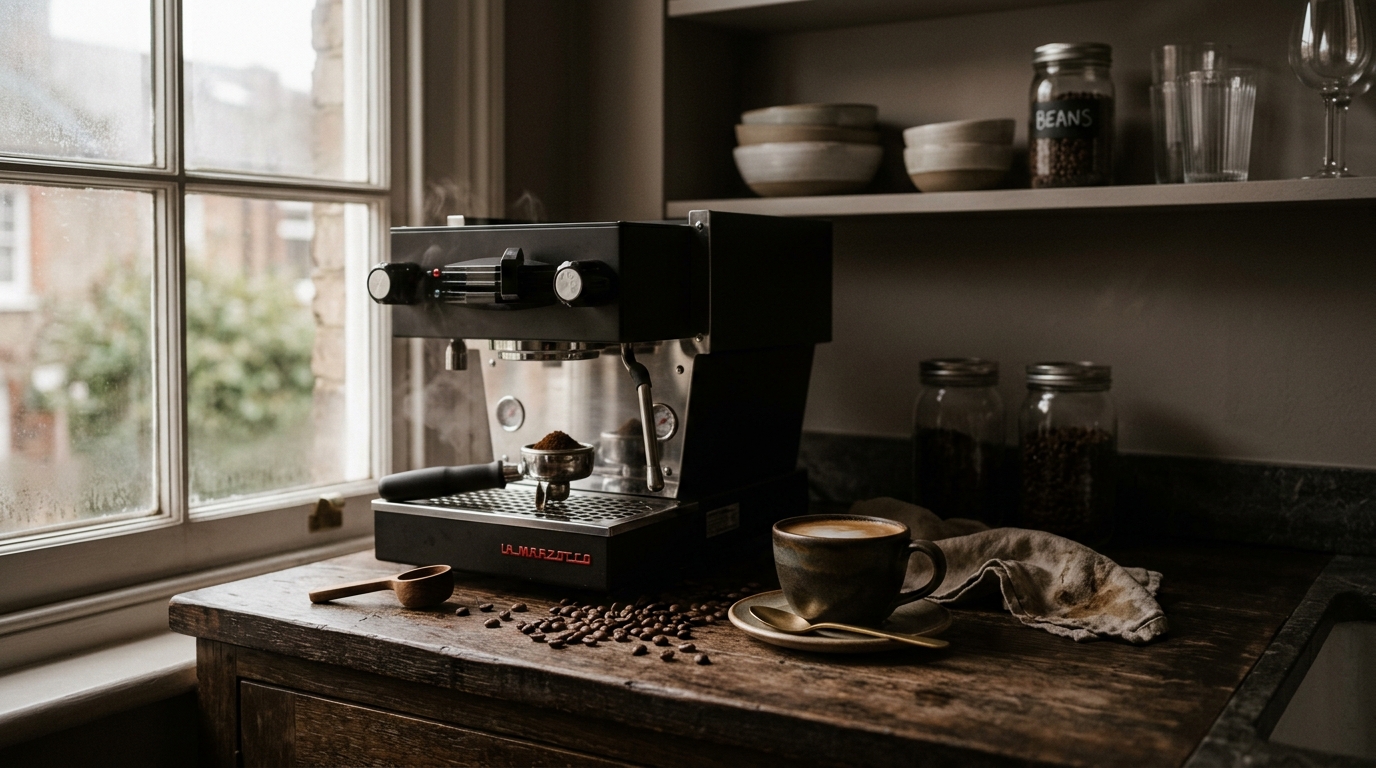
The Breville Bambino Plus sits in an interesting spot in the home espresso market. It's priced accessibly, it heats up in about three seconds thanks to its thermojet heating system, and it ships with automatic steam and a pressure profiling pre-infusion. On paper, those are features that cost two or three times as much on competing machines. In practice, a lot of people buy a Bambino Plus, pull a few mediocre shots, and conclude that the machine is the limiting factor. It almost never is. The machine is capable of excellent espresso. The workflow around it is usually where things fall apart.

This post is about squeezing every bit of performance out of this specific machine: understanding its quirks, dialing in its settings properly, and building a repeatable workflow that produces consistent results rather than guesswork.
Understanding What the Machine Actually Does
Before you can optimize anything, you need to know what you're working with. The Bambino Plus uses a thermojet heating system that brings brew water to temperature in roughly three seconds. This is a single boiler design, which means it switches between brew and steam modes rather than running both simultaneously. The factory brew temperature is set to 200°F (93°C), and it operates at nine bars of pressure, which is standard for the style of espresso most people are making.
The machine also features a pre-infusion stage that ramps pressure up slowly before hitting full nine-bar extraction. This matters more than most people realize. Pre-infusion saturates the puck evenly before full pressure hits, which reduces channeling in moderately tamped or slightly imperfect pucks. It's not going to save a badly dosed or ground shot, but it does provide some margin for error compared to machines that hit full pressure immediately.
The steam wand on the Plus is automatic rather than manual, which means it targets a specific temperature and cuts off. Some experienced users find this limiting because it removes fine control over milk texture. But for anyone learning to steam milk, it's actually a reasonable training tool because it produces consistent temperature output and gives you one less variable to manage.
The Grind Is Where You Win or Lose
No setting on the Bambino Plus matters as much as grind size. Espresso extraction happens over 25 to 30 seconds across a surface area of billions of tiny particles, and the size of those particles determines how much resistance the water meets and how much coffee flavor actually dissolves. A grind that's too coarse will extract in 15 to 18 seconds and taste thin, sour, and hollow. A grind that's too fine will choke the machine, run long, and taste bitter and harsh.
Your target for a starting point is a 1:2 ratio in 27 to 30 seconds. That means 18 grams in and 36 grams out, with the shot timer starting when you press the button, not when liquid first appears in the cup. If you're running faster than 25 seconds, go finer. If you're choking or running slower than 35 seconds, go coarser. Make one grind adjustment at a time and pull the next shot before adjusting again. Changing multiple variables at once means you learn nothing about which change actually made the difference.
If you're using the Bambino Plus with the included pressurized portafilter basket, you're making this harder on yourself. The pressurized basket uses a second restriction to generate pressure artificially, which means grind size matters far less and you get less feedback from the shot. Switch to a single-wall (non-pressurized) basket as soon as possible. The 54mm IMS or VST baskets are excellent options and will dramatically improve the information you get from each shot.
Dialing In Your Dose and Distribution
The Bambino Plus ships with a 54mm portafilter. A 17 to 18 gram dose is appropriate for the standard double basket, though the exact sweet spot varies by basket. Weigh every dose on a scale before grinding. Volume-based dosing from a grinder hopper introduces too much inconsistency to be useful when you're trying to diagnose extraction problems.
After grinding, distribution matters more than people expect. Coffee grounds tend to pile up unevenly in the basket, and tamping over an uneven mound locks in those inconsistencies. Use a distribution tool or at minimum the Weiss Distribution Technique (WDT), which involves using a thin needle or similar tool to break up clumps and even out the bed before tamping. Clumping is common with fine espresso grinds and creates low-density zones in the puck where water preferentially channels.
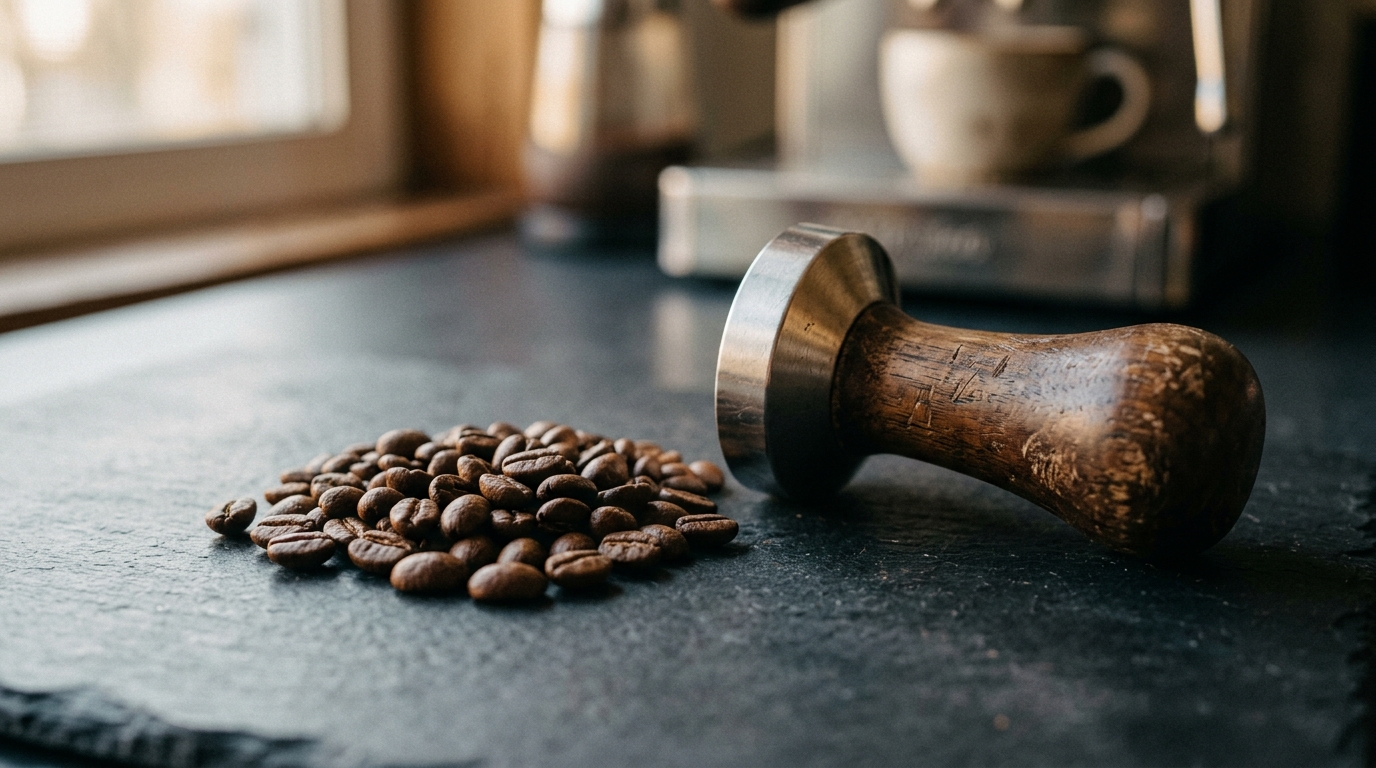
Tamp with consistent, level pressure. The exact amount of force matters less than people think, somewhere in the 15 to 20 kilogram range is plenty, but leveling the tamp is critical. An angled tamp creates a thinner section in the puck where water breaks through early, causing channeling and uneven extraction. A simple self-leveling tamper solves this problem completely and is worth the investment.
Temperature and Pressure Settings
The Bambino Plus allows you to adjust brew temperature between 196°F (91°C) and 204°F (96°C) in three steps via the button combination on startup. The default 200°F (93°C) is a sensible middle point for medium roasts. If you're working with lighter roasts, which resist extraction due to their denser cell structure and lower solubility, pushing to 202 to 204°F (94 to 96°C) can help. Darker roasts, which are more soluble and extract more aggressively, often benefit from dropping to 196 to 198°F (91 to 92°C) to avoid bitter over-extraction.
The machine does not offer pressure adjustment, so you're locked at nine bars. This is fine for most espresso styles. If you want to experiment with lower-pressure extraction or extended pre-infusion profiles, this machine isn't the tool for that, and that's an honest limitation worth naming.
Building a Repeatable Workflow
Consistency in espresso comes from doing the same things in the same order every time, which sounds obvious but is harder to practice than to say. Here is a workflow that produces reliable results on the Bambino Plus:
- Run a blank shot (water only, no portafilter) for about three seconds to purge any residual water from the group head and stabilize temperature.
- Weigh and grind your dose into the portafilter.
- Distribute the grounds with a WDT tool or distribution tool, working from the edges inward.
- Tamp level and firm, then brush any grounds from the portafilter rim.
- Lock the portafilter in and start your shot immediately. Don't let it sit and heat from the group, which can subtly alter extraction.
- Start your scale timer when you press the button and pull when you hit your target weight, usually 36 grams for an 18-gram dose.
Pulling to weight rather than time removes one variable. Shot time becomes diagnostic information rather than a target you stop on. If your ratio is consistently right but the time is off, that tells you your grind needs adjusting. If your time is right but the ratio is wrong, check your dose or distribution.
Getting the Most from the Steam Wand
The automatic steam on the Bambino Plus cuts off at around 140 to 150°F (60 to 65°C), which is a reasonable serving temperature for milk-based drinks. The texture you develop is entirely a function of how you position the steam tip in the milk. Start with the tip just below the surface and let the milk spin in a vortex. The first several seconds of steaming should incorporate air, stretching the milk slightly. Once you've added enough volume, lower the pitcher so the tip sits deeper and focuses on homogenizing the foam rather than adding more air.
The single-hole steam tip that ships with the machine is slower than aftermarket four-