Colombian Coffee for Espresso: How to Dial In the Perfect Shot at Home
By the Grindset team · August 30, 2026 · 6 min read
Why Colombian Coffee Works So Well for Espresso
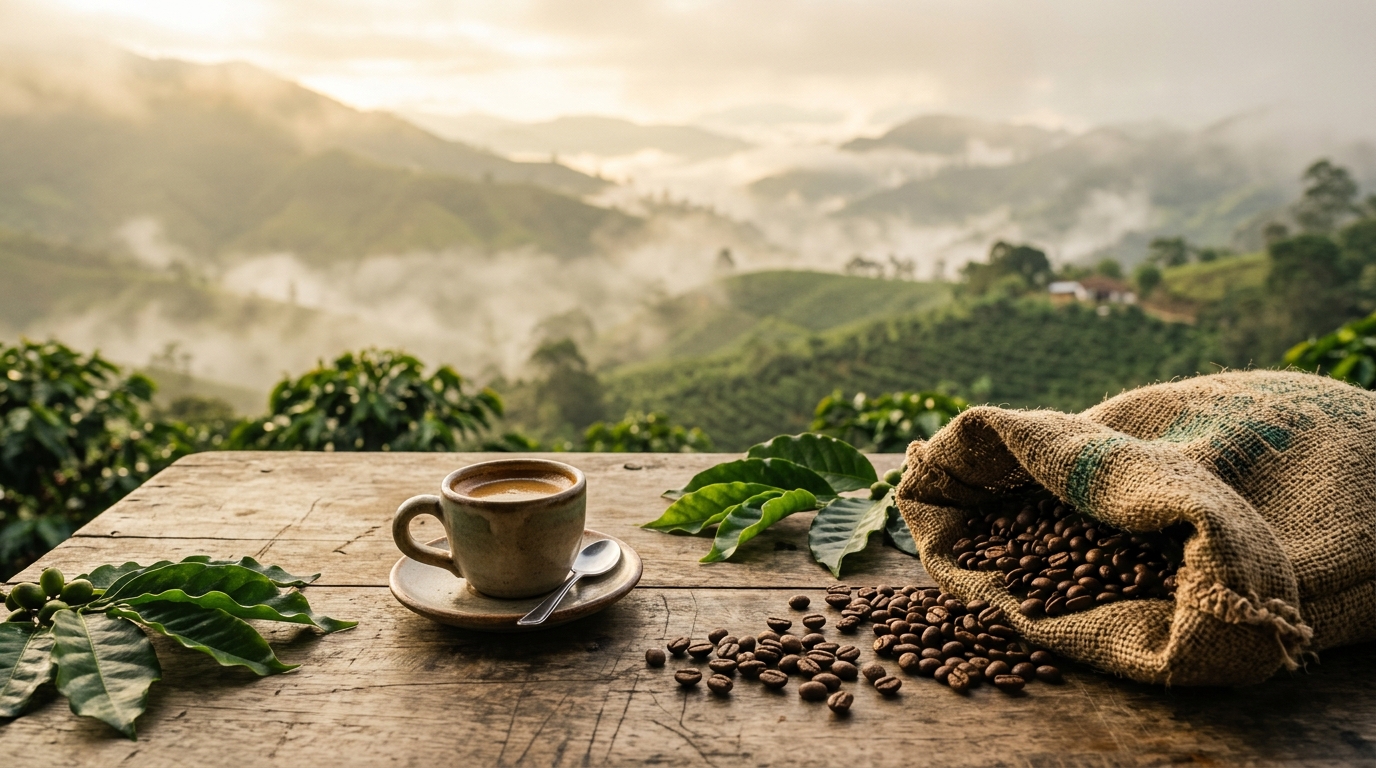
Colombian coffee has a reputation for being approachable, and that reputation is mostly earned. The country's geography creates growing conditions that produce beans with a flavor profile that translates exceptionally well to espresso: bright but not piercing acidity, medium body, and fruit or chocolate notes that concentrate beautifully under pressure. What makes Colombia particularly interesting is the sheer variety within a single origin. A washed Huila coffee and a natural Nariño can behave almost like different species when they hit the portafilter, so understanding regional characteristics is the first step to dialing in well.
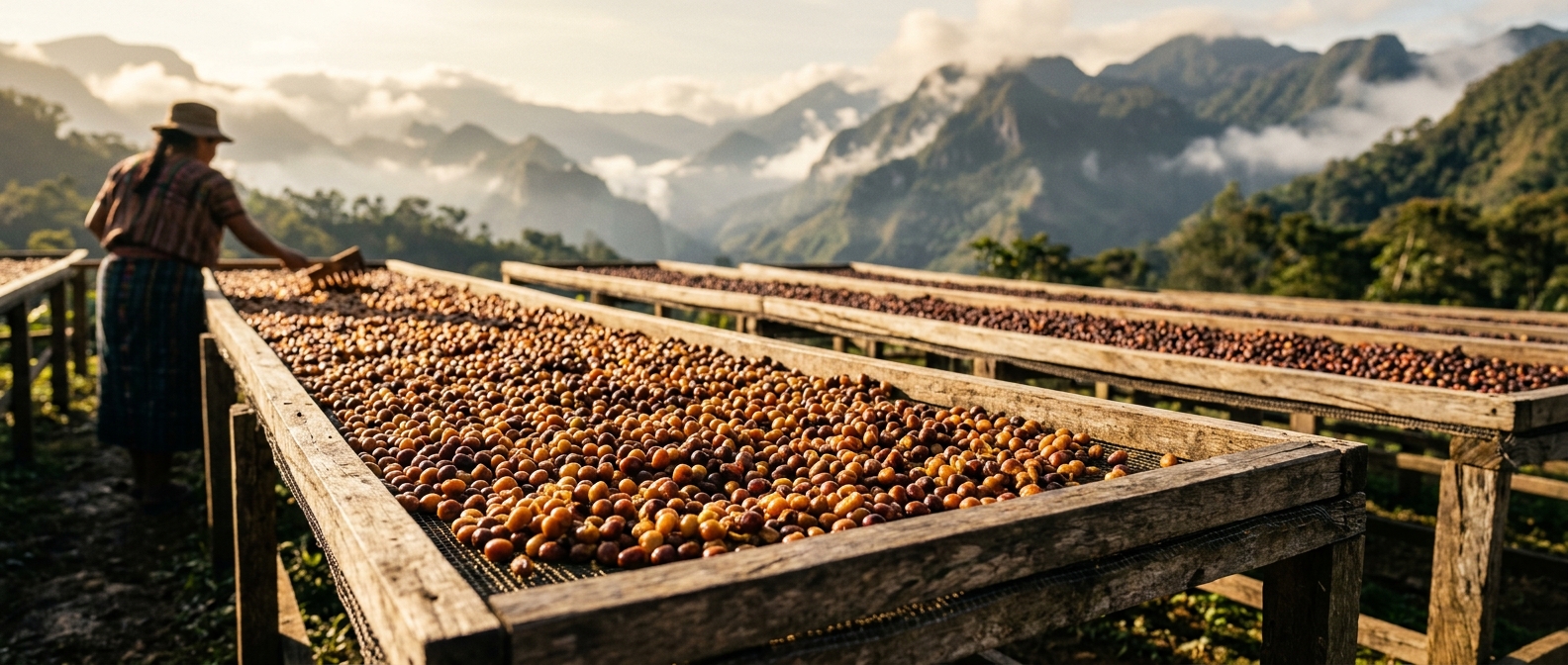
The majority of Colombian coffee is grown between 1,200 and 2,000 meters above sea level, and that altitude range matters for espresso. Higher-grown beans develop harder, denser cellular structure, which means they require more energy to extract. They also tend to retain more complex acids and sugars, because the slower maturation at cooler temperatures allows more time for sucrose development. When you compress those compounds under 9 bars of pressure with water at the right temperature, you get a shot with real clarity and sweetness rather than muddy bitterness.
Choosing the Right Colombian Bean for Espresso
Not every Colombian coffee is equally suited to espresso. Process and roast level are the two biggest variables to consider before you even think about grind size or temperature.
- Washed process coffees from regions like Huila, Cauca, and Antioquia tend to be clean and bright with stone fruit and citrus notes. They reward slightly higher extraction temperatures and tighter ratios.
- Natural or honey process Colombian coffees, which are less common but increasingly available, bring more fruit-forward sweetness and body. They can be trickier to extract evenly because the added sugars from the mucilage affect how water moves through the puck.
- Medium roasts hit the sweet spot for espresso. Light roasts preserve the terroir and the complex acids, but they require more heat and finer grinding to extract fully. Very dark roasts lose what makes Colombian coffee distinctive in the first place.
If you are buying from a specialty roaster, ask specifically whether the coffee was roasted with espresso in mind. Some roasters target a different development time and exit temperature for filter versus espresso, and those differences are meaningful. An espresso roast will typically have slightly more developed sugars and a touch more solubility than a filter roast of the same bean.

Grind Size and Dose: Starting Points
Colombian coffees at medium roast are reasonably forgiving compared to very light roasts, but they still require careful calibration. A standard starting dose for a double shot is 18 grams in a standard 58mm basket, targeting an output of 36 to 38 grams of espresso in 25 to 32 seconds. That puts you at roughly a 1:2 ratio, which gives Colombian beans enough volume to express sweetness without over-diluting the flavor.
Grind size is where most people spend the most time, and rightfully so. The goal is to create a uniform bed of coffee that resists the water evenly across the entire puck surface. If your grind is too coarse, water finds the path of least resistance and you pull a fast, sour, underdeveloped shot. Too fine, and you choke the machine, extending contact time past the point where you extract desirable compounds, pulling bitter and astringent flavors from the cellulose and lignin in the bean structure. Start coarser than you think you need to and work your way finer in small steps, adjusting one variable at a time.
Temperature Dialing for Colombian Espresso
Water temperature has an enormous effect on how a Colombian espresso tastes, and it is one of the most underused levers in home brewing. Temperature directly affects the solubility of different compounds in coffee. Acids, many sugars, and fruity aromatic compounds extract at lower temperatures. Bitter compounds and some of the heavier melanoidins are more soluble at higher temperatures. This means the temperature you choose is essentially a tonal choice about which characteristics of the coffee you want to foreground.
For a washed Colombian at medium roast, start at 200 degrees Fahrenheit (93 degrees Celsius) and see how the shot tastes. If it pulls with muted sweetness and excessive sourness, creep the temperature up toward 202 to 203 degrees Fahrenheit (94 to 95 degrees Celsius). If the shot is harsh and bitter with a scratchy finish, drop toward 197 to 198 degrees Fahrenheit (92 degrees Celsius). Natural process Colombian coffees generally prefer the lower end of that range because the fruit sugars are more easily extracted and can tip into cloying at higher temperatures.
Pressure Profiling: Optional but Illuminating
If you are working with a machine that allows pressure profiling, Colombian coffees reward some experimentation. A standard flat 9-bar profile works fine, but a pre-infusion ramp followed by a slight pressure reduction during the body of the shot (dropping from 9 bars to around 7 to 8 bars after the first 8 to 10 seconds) can improve clarity and reduce bitterness without sacrificing body. The logic here is that pre-infusion allows the puck to hydrate evenly before full pressure is applied, which reduces channeling. The pressure drop during extraction slows the flow rate slightly at the point where the puck has softened, keeping extraction time in range without over-extracting the outer edges of the coffee bed.
This is not a necessary step, and if your machine does not support it, do not worry. A well-dialed conventional shot from a single-boiler machine pulls excellent Colombian espresso consistently.
Reading the Shot and Adjusting
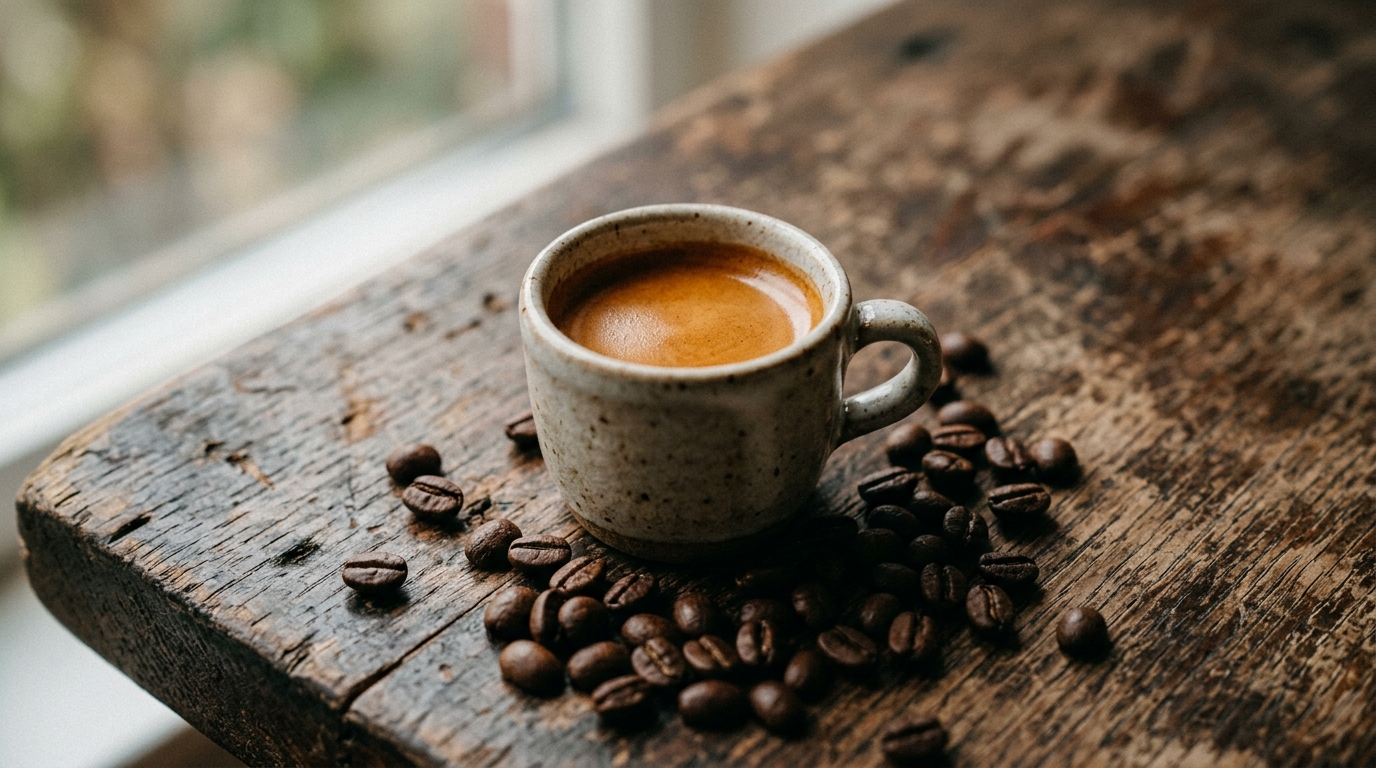
Tasting systematically is more useful than trusting visual cues alone, though the visuals still matter. A properly extracted Colombian espresso shot should show a hazelnut to reddish-brown crema that does not dissipate immediately, an indication of adequate extraction and fresh roast. The flavor should open with brightness, move through a sweet or chocolatey middle, and finish cleanly without a prolonged bitter aftertaste.
If your shot is sour and thin, extraction is too low. Check grind size first, then temperature. If it is bitter and heavy, extraction is too high. If it tastes flat and muted, your coffee may be stale, your water temperature too low, or your grind too coarse. Keeping notes from shot to shot is the only reliable way to build an accurate mental model of how a particular bag is behaving. At grindset.cafe, there are tracking tools built specifically for this kind of iterative dialing process, so nothing gets lost between sessions.
A Few Final Notes on Freshness and Rest Time
Colombian espresso rewards patience after roasting. Most medium-roasted Colombian beans taste best between 10 and 21 days off roast. In the days immediately after roasting, degassing CO2 creates turbulence in the puck that makes extraction unpredictable and often uneven. Waiting allows the coffee to stabilize. Conversely, pushing past 4 to 5 weeks without proper sealed storage will result in noticeable flavor flatness as aromatics oxidize. Buy in smaller quantities, store in an airtight container away from light and heat, and pull from that container consistently. The quality of your raw material sets a ceiling that no amount of dialing can push past.